Perforated Metal Facade Singapore: Hole Patterns Explained
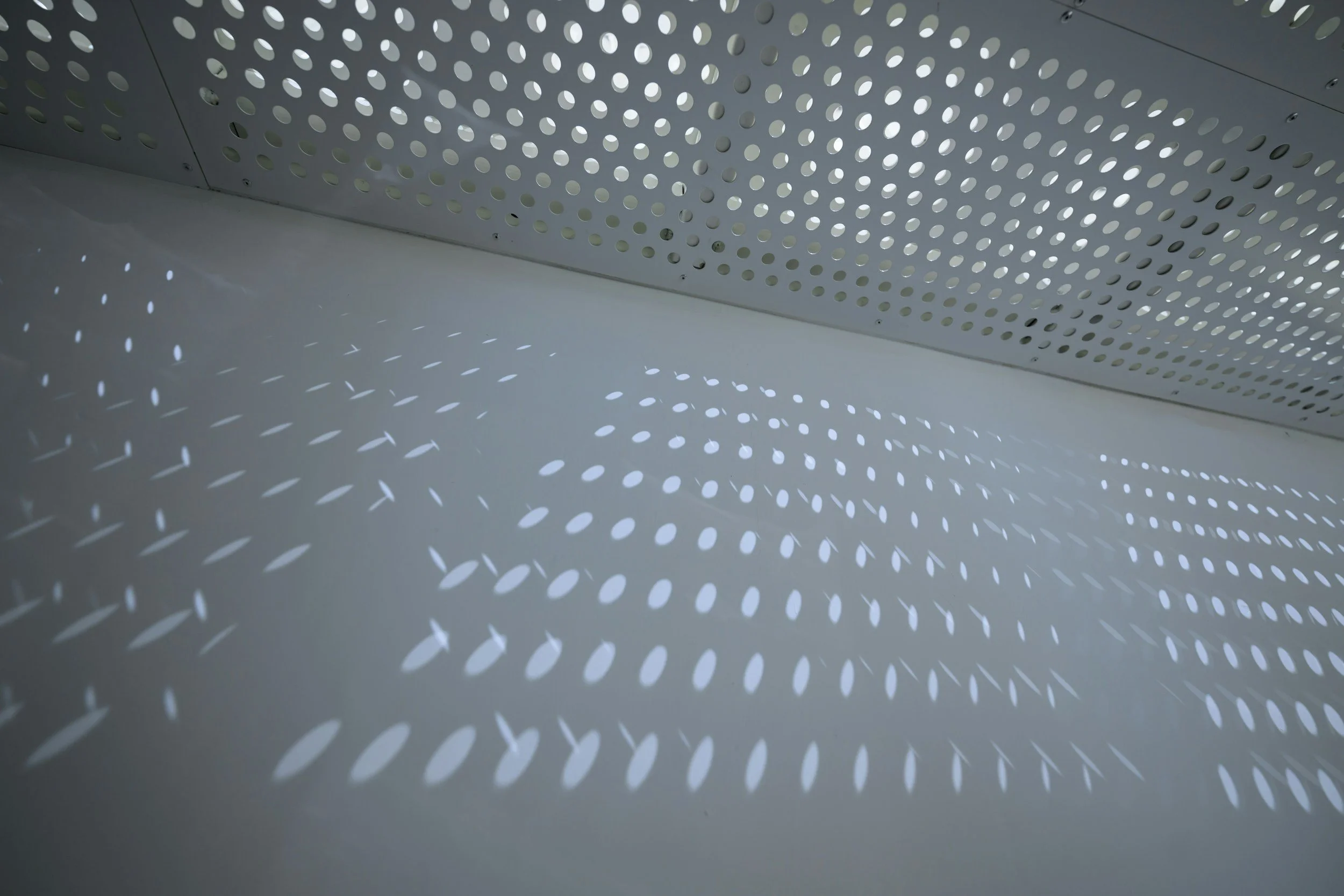
The hole pattern is the first decision in any perforated metal facade specification. It determines open area percentage, solar shading performance, panel rigidity, acoustic behaviour, and fabrication cost — all before material grade or finish are selected.
This guide covers the four standard hole types used in Singapore facade applications, explains how pattern geometry affects key performance factors, and sets out which patterns are appropriate for different facade conditions. It applies to external wall screens, rainscreen cladding, sun-shading panels, and architectural louver panels across commercial, institutional, and residential projects.
Why the Hole Pattern Decision Matters
Hole pattern is goes beyond just being an aesthetic choice. For facade applications, it is an engineering decision that needs to be made early in the design process, because it affects three things that cannot easily be changed after fabrication: open area percentage, structural panel behaviour, and the solar heat gain coefficient (SHGC) used in BCA ETTV calculations.
Open area percentage: The ratio of hole area to total panel area, controls how much solar radiation is intercepted by the panel before reaching the primary glazing or wall behind it. A panel at 25% open area intercepts 75% of incident radiation; a panel at 50% open area intercepts only 50%. For non-residential buildings targeting Green Mark certification, the ETTV must not exceed 45 W/m², and for Platinum, typically 40 W/m² or below. The hole pattern and open area you specify directly feeds the M&E engineer's ETTV calculation for the project.
Structural behaviour of the panel: Its stiffness and deflection under wind load, is determined by the pitch or the solid metal width between holes. Staggered patterns distribute punching stress more evenly than straight-row patterns and generally produce stiffer panels at equivalent open area.
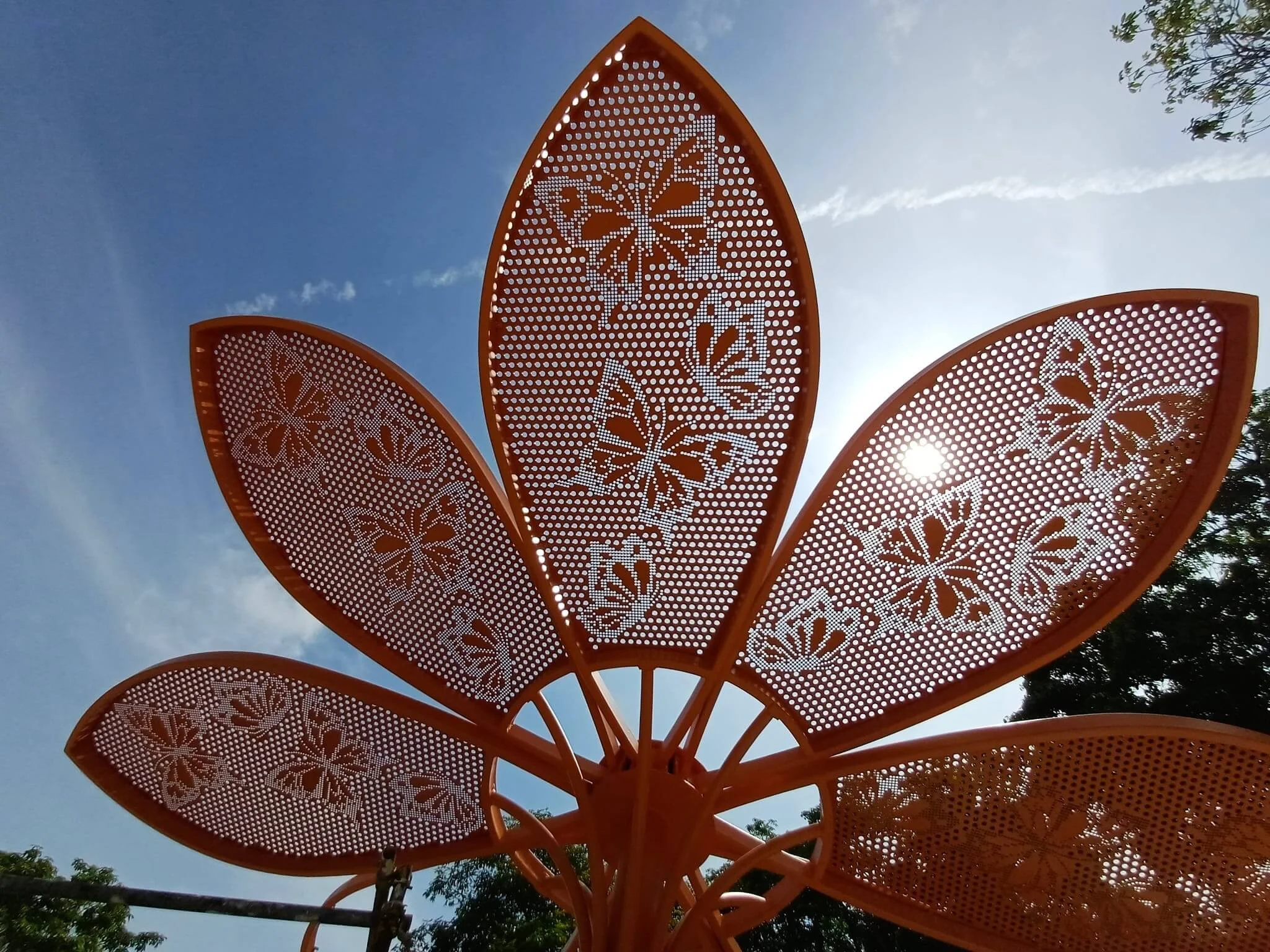
Non-standard decorative patterns require CNC or laser-cutting processes with longer lead times and higher unit cost.
Tip
All of Supply Bay perforated metals have indicated open areas on the master tooling sheet (full list of hundreds of perforated patterns). Please refer to the Supply Bay catalogue for full details.
The Four Standard Hole Types
Round Holes
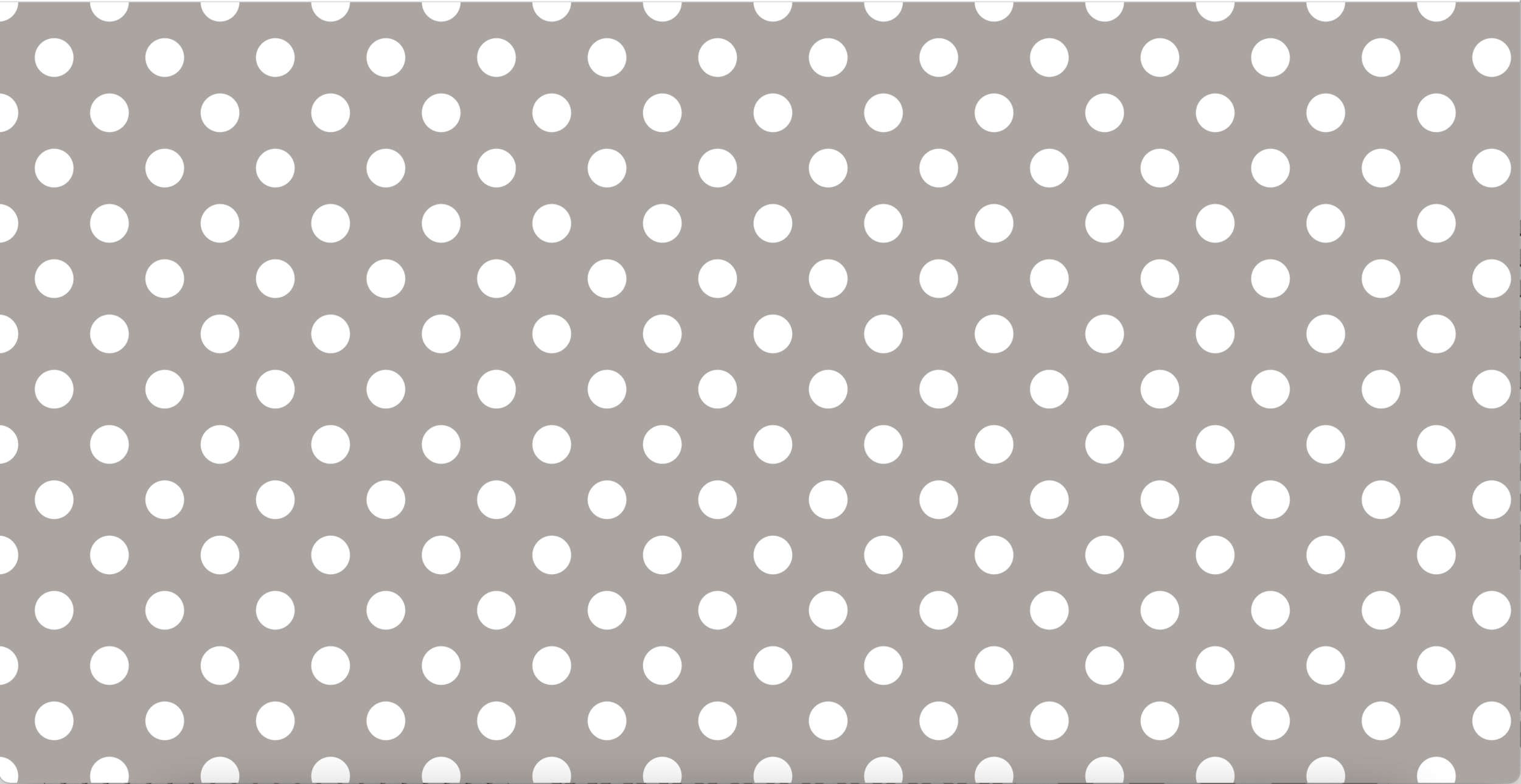
Round holes are the industry standard and the most cost-effective option for perforated metal facades. The circular geometry distributes punching stress uniformly around the hole perimeter, which means round-hole sheets maintain their structural integrity at higher open area percentages than other hole types.
For 60° staggered round holes — the most common arrangement — open area typically ranges from 40% to 63% depending on hole diameter and pitch.
Straight-row 90° round holes produce lower open area at the same hole diameter and pitch, and create visible linear alignment when viewed at angle.
For Singapore facade work, 60° staggered round holes in 2–5 mm diameter at 3–8 mm pitch are the standard range for solar screening applications. Larger holes (8–25 mm diameter) are used on industrial cladding, rainscreen panels, and HDB void deck screens where coarser texture and higher airflow are required.
Square Holes
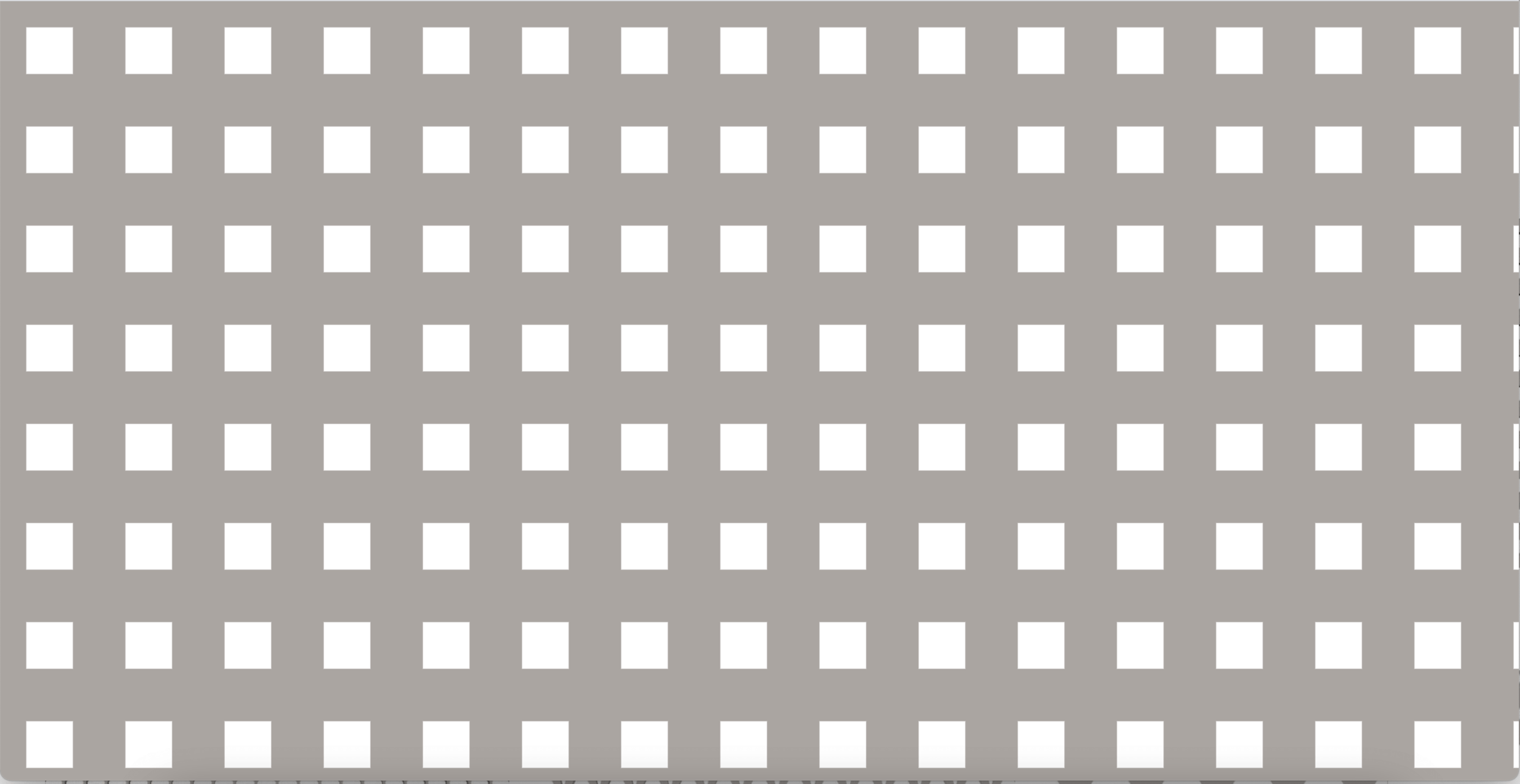
Square holes produce a clean, geometric visual texture distinct from the softer appearance of round holes. The key performance difference is that square holes remove more material per unit area than round holes at equivalent hole size and pitch, giving higher potential open area, but the straight edges between adjacent holes create weaker shear lines in the panel, making straight-row square-hole sheets more prone to deflection than their round-hole equivalent.
Square holes are specified on Grade-A commercial facades and institutional buildings in Singapore where the geometric precision of the pattern is part of the architectural intent — hospital screens, civic building cladding, and retail frontages where a regimented grid texture is desired.
For structural facade panels, specify square holes in a staggered arrangement and maintain a pitch of at least 1.5× the material thickness to prevent panel distortion under fabrication stress.
Slotted Holes

Slotted holes are elongated rectangular perforations with rounded or square ends, oriented either parallel to the sheet length or across the width. Their key property is directional: they admit light and air preferentially from one direction while restricting views from another angle. This makes them effective for privacy screens on residential balconies, facade panels on car park structures, and sun louver infill where the cut-off angle of solar incidence needs to be controlled.
Slot holes oriented horizontally function more like louver blades at a panel scale, providing rain and solar protection while permitting vertical airflow. Open area for slot holes is calculated from the slot width, length, and pitch; it is not directly comparable to round or square hole open area percentages at equivalent visual density.
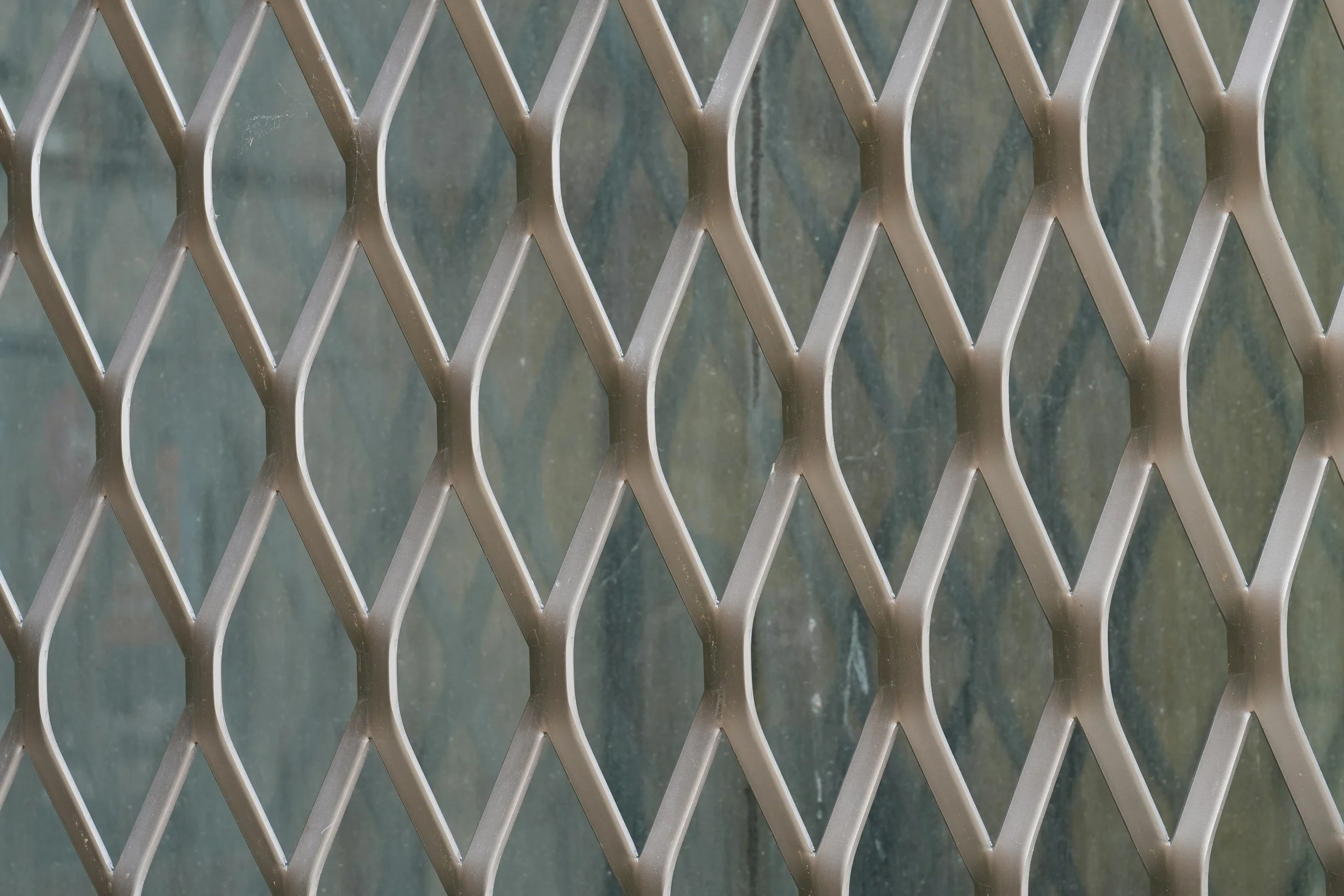
A product with similar look and feel are our Expanded Louver Mesh, which also provide privacy, and rain and solar protection while permitting vertical airflow.
Hexagonal Holes
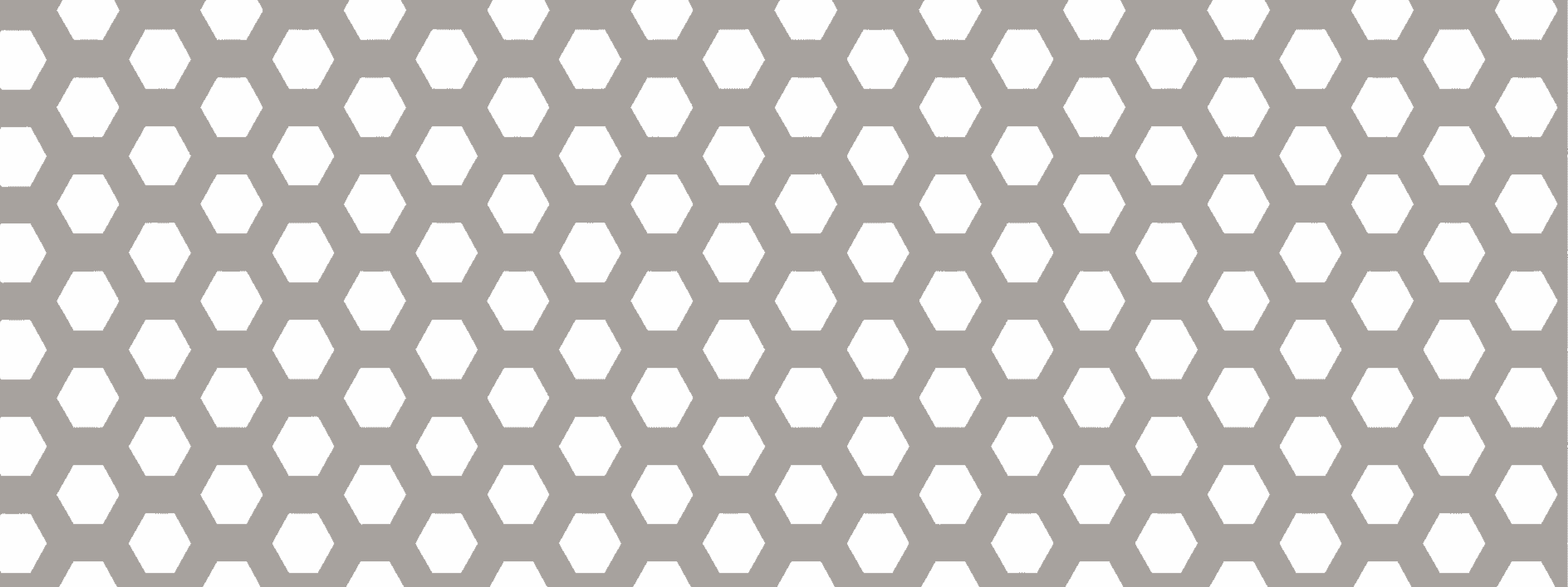
The honeycomb visual texture is architecturally distinctive and is used on feature facades, artistic screening panels, and acoustic ceiling applications where maximum open area and an identifiable pattern are both required. Hexagonal holes provide the highest achievable open area of any standard punched pattern — up to 69% in close-packed arrangements — because the hexagonal geometry allows holes to be nested with minimal width between them.
For facade use in Singapore, hexagonal holes are typically specified in aluminium at 2–3 mm thickness. The high open area of hexagonal patterns means panel rigidity is lower than round or square hole sheets at equivalent thickness — for large-format facade panels, specify closer purlin or sub-frame spacing, or increase material thickness, to prevent wind-induced vibration and deflection.
Staggered vs Straight-Row Arrangement

The arrangement of holes — staggered or straight-row — is specified independently of hole shape and has a significant effect on both open area and panel structural behaviour.
Staggered arrangement (most commonly 60°, also available at 45°) offsets each successive row of holes so that the centres of holes in adjacent rows form a triangular grid. This arrangement produces the highest open area for a given hole diameter and pitch, distributes punching and wind stresses evenly across the panel, and avoids the visible linear alignment that can appear in straight-row sheets when viewed at oblique angles. 60° staggered is the standard arrangement for facade screening, acoustic ceilings, and solar shading panels.
Straight-row 90° arrangement aligns hole centres along both axes of the sheet, producing a grid pattern with visible horizontal and vertical lines. Open area is lower than staggered at equivalent hole size and pitch. Straight-row sheets have weaker shear lines in both axes and are more prone to deflection under point loads. Straight-row patterns are specified where the grid texture is part of the architectural intent — for example, on industrial cladding where a regimented visual language is preferred.
| Hole Type | Typical Open Area | Structural Behaviour | Visual Character | Relative Cost | Best Facade Application |
|---|---|---|---|---|---|
| Round — 60° staggered | 40–63% | Best — stress distributed uniformly | Soft, neutral texture | Low | Solar screens, rainscreen cladding, void deck screens |
| Round — straight row | 25–50% | Good | Grid texture, linear alignment visible at angle | Low | Industrial cladding, machine guarding infill |
| Square — staggered | 36–65% | Good — weaker than round at equivalent open area | Geometric, precise grid | Medium | Grade-A commercial facades, civic screening panels |
| Slot — vertical | 25–55% | Moderate | Linear, directional | Medium | Privacy screens, car park cladding, west-facing solar control |
| Slot — horizontal | 25–55% | Moderate | Louvre-like, horizontal banding | Medium | Sun louvres, balcony screens, residential cladding |
| Hexagonal | 50–69% | Lower — requires thicker gauge or closer sub-framing | Honeycomb, high visual openness | Medium-High | Feature facades, acoustic ceiling panels, artistic screens |
Open Area and ETTV: What Specifiers Need to Know
For non-residential buildings in Singapore, BCA's Code on Envelope Thermal Performance requires that the ETTV of the building envelope not exceed 45 W/m² for compliance, and typically 40 W/m² or below for Green Mark Platinum.
External facade screens — including perforated metal panels — reduce the solar heat gain contribution of glazed facade areas in the ETTV calculation by intercepting direct solar radiation before it reaches the primary glazing. The ETTV formula treats external shading devices as reducing the effective solar heat gain coefficient (SHGC) of the glazed area they shade. The degree of reduction depends on the screen's open area percentage and its standoff distance from the glazing.
A perforated panel with 25% open area intercepts approximately 75% of incident solar radiation, which feeds directly into the ETTV calculation as a reduced solar load on the glazed area behind the screen. The practical consequence for specification is that facades targeting ETTV compliance need perforated panels with open area in the 20–40% range for meaningful solar heat gain reduction on east and west elevations. North and south elevations in Singapore receive lower solar loads and can accommodate higher open area panels without ETTV penalty — allowing more transparency and airflow where the solar shading requirement is lower.
For a full treatment of ETTV, Green Mark compliance, and perforated facade systems, refer to the our article on Singapore 80-80-80 Green Building Masterplan: What It Means for Architects Specifying Facade Materials.
Material Grades for Perforated Facade Panels in Singapore
The material grade for a perforated facade panel is determined by exposure category — Singapore's coastal and tropical environment is more aggressive than temperate climates, and grade selection has a direct effect on maintenance cycle and long-term facade performance.
| Material | Exposure Suitability | Typical Thickness for Facades | Standard Finish | Singapore Applications |
|---|---|---|---|---|
| Aluminium (AA1100 / AA3003) | All zones including coastal | 1.5–3.0 mm | Powder coat / PVDF / anodised | Commercial facades, institutional buildings, HDB upgrading screens, F&B shopfronts |
| Mild steel — hot-dip galvanised (HDG) | Sheltered / inland only | 1.5–3.0 mm | HDG + powder coat | Industrial facades, JTC sheds, hoarding screens, low-cost secondary screens |
| SS304 stainless steel | General external — non-marine | 1.5–2.0 mm | Brushed / powder coat / mill | Grade-A commercial facades, civic buildings, retail frontages, CBD towers |
| SS316 stainless steel | Marine and waterfront zones | 1.5–2.0 mm | Brushed / mill | Marina Bay, Sentosa, Tanjong Pagar waterfront, Jurong Island process plant facades |
For detailed grade selection guidance, see the our Stainless Steel vs Galvanised Steel Singapore Comparison Guide and the Metal Finishes Explained Guide.
Facade Margins: The Unperforated Border
Every perforated sheet has a margin — the unperforated solid border around the edge of the panel. For facade applications, the margin serves two functions: it provides a solid fixing zone for screws or rivet points without the hole pattern reducing the effective fixing area, and it gives the panel a clean, defined edge that reads as a deliberate design element rather than a cut-through-pattern edge.
Standard sheet production typically provides a defined solid border along four edges of the sheet (15mm-20mm).
The margin width affects the total coverage per panel and the repeat geometry of the pattern across a facade module; this needs to be coordinated with the panel grid at design stage to avoid mismatched patterns at panel joints. For panels fabricated to a DWG or CAD drawing, Supply Bay can accommodate custom margin dimensions on all four sides. Submit drawings with the margin specified as a dimension from the sheet edge to the edge of the first hole on each side.
Frequently Asked Questions
-
Round holes at 60° staggered arrangement are the most common specification. They offer the best combination of structural performance, cost, and flexibility of open area percentage. For solar screening on commercial facades, 5–8 mm round holes at 60° staggered in 2.0–3.0 mm aluminium with 25–40% open area covers the majority of Singapore facade applications. Square and slot holes are specified where the visual character of the pattern is part of the architectural brief.
-
Open area determines how much solar radiation the panel intercepts before reaching the glazing behind it. A lower open area percentage intercepts more radiation and reduces the solar component of the ETTV calculation for the glazed area shaded by the panel. For facades targeting Green Mark Platinum (ETTV ≤ 40 W/m²), west and east elevations typically require perforated screens at 20–30% open area. North and south elevations can accommodate higher open area panels without the same ETTV penalty. The M&E engineer calculates the ETTV contribution; the facade consultant or architect specifies the panel parameters that achieve the target.
-
Yes. Standard punched patterns (round, square, slot, hexagonal) are available from stock at standard open area percentages. Custom hole sizes, pitches, and non-standard open area percentages can be produced to a DWG or CAD drawing. Lead time for custom-punched patterns is longer than stock; confirm with Supply Bay at enquiry stage. For custom decorative patterns beyond standard punched geometry, laser-cut panels are the production route — refer to the Laser-Cut Panels Buyer's Guide for more details.
-
Perforated panels are produced by mechanical punching — a press tool stamps holes repeatedly across the sheet. This is fast and cost-effective for standard hole patterns at production volumes.
Laser-cut panels are produced by CNC laser cutting, which can produce any geometry — custom patterns, gradients, imagery, and non-repeating designs — but at higher unit cost and longer lead time.
For facades where the pattern is a standard round, square, or slot configuration, perforated sheet is the correct specification. For facades where a bespoke pattern is needed, laser-cut panels are best. Both are available from Supply Bay. See the Perforated Metal Sheet product page and the Laser-Cut Panels product page for the full range.
-
For external facade panels, 2.0 mm thick aluminium is the practical minimum.
1.5 mm thick panels are suitable for closer-spaced and lower open area patterns (≤40%).
These are indicative values — confirm with a structural engineer.
Supply Bay Pte Ltd supplies perforated metal sheet, laser-cut panels, and expanded metal mesh for Singapore facade, cladding, and screening projects. Contact us at info@supplybaystore.com or +65 6524 3913.
Supply Bay is Singapore's leading supplier of architectural sheet metal — expanded mesh, perforated panels, laser-cut screens, and solid sheets in aluminum, stainless steel (SS304, SS316), mild steel, and galvanized steel.