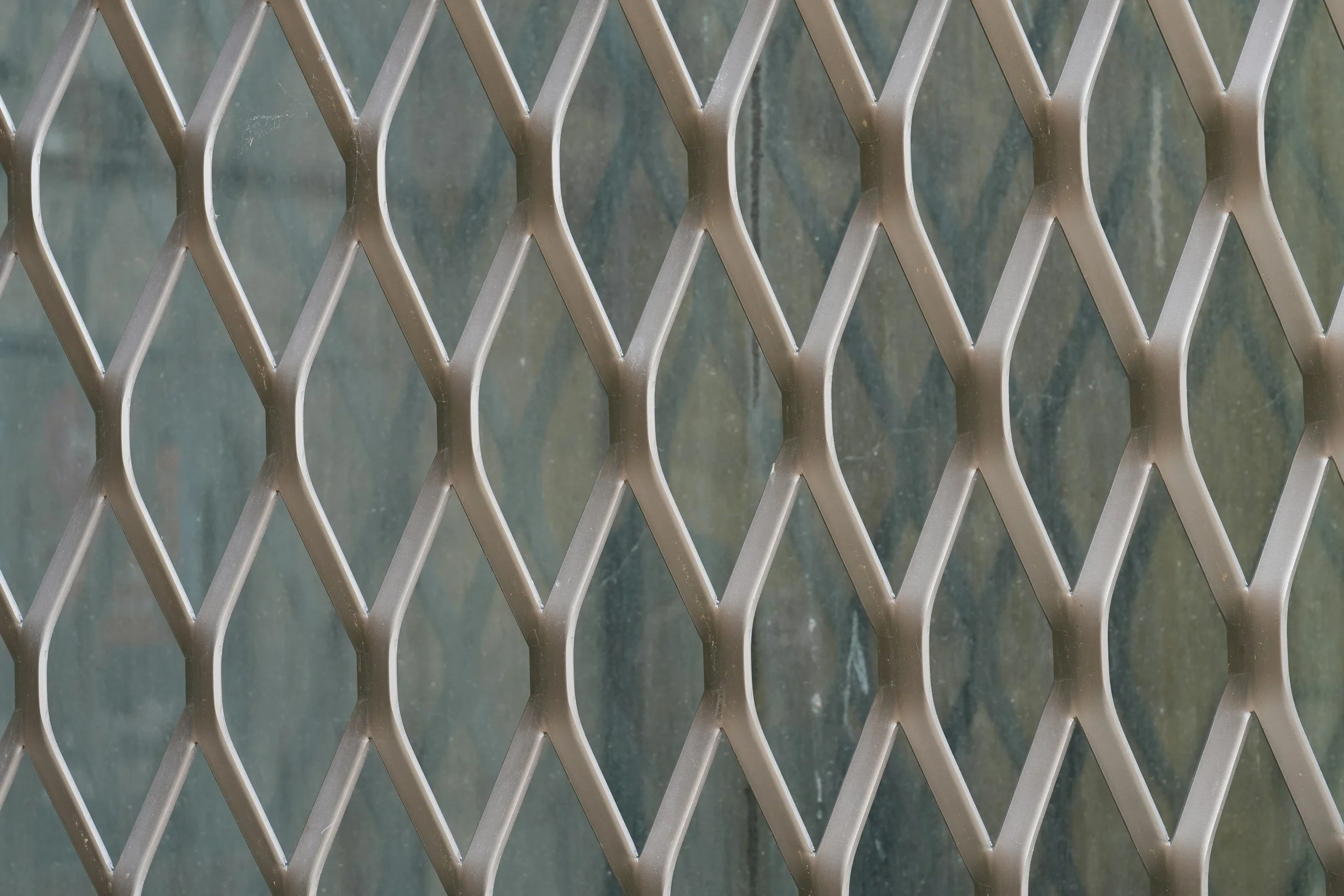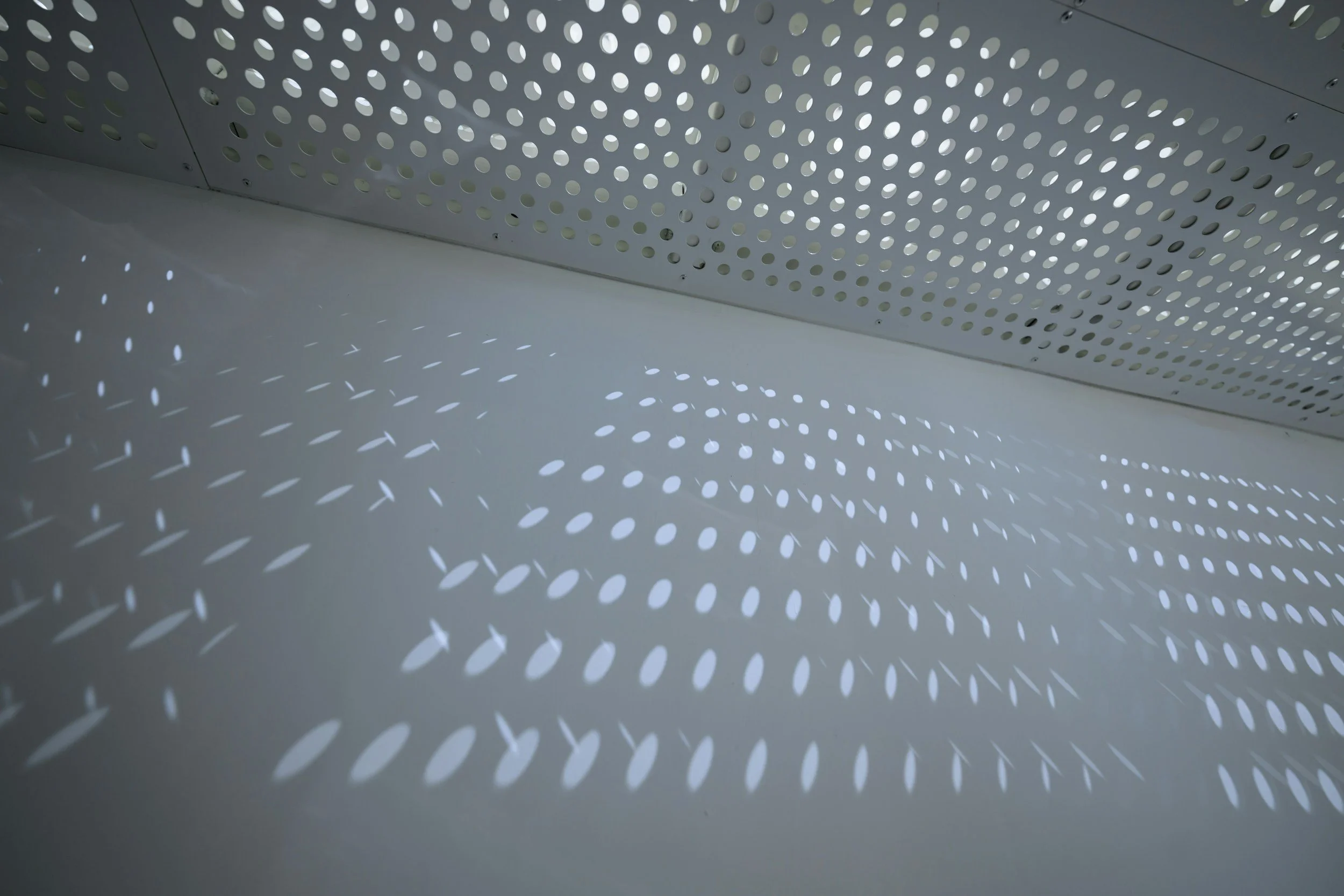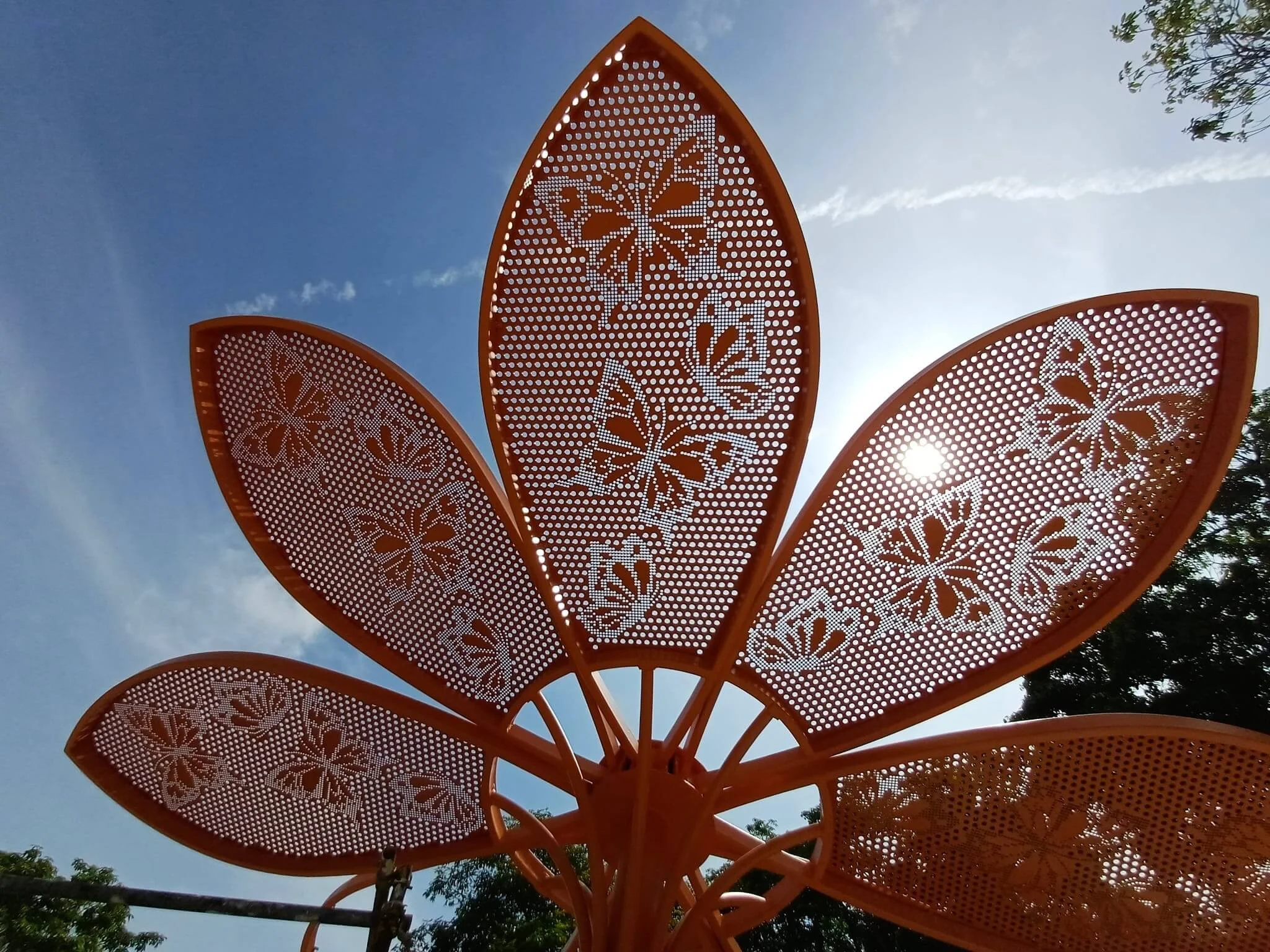
Finish selection for metal panels and sheet products is a specification decision, not an afterthought. Singapore's combination of persistent high humidity, extreme UV intensity, salt-laden coastal air, and year-round rainfall accelerates corrosion, fading, and biological growth faster than most international product data anticipates. This guide covers the principal finishing systems used on architectural metalwork in Singapore — powder coating, PVDF, mill finishes, anodising, and hot-dip galvanising — with material compatibility, performance benchmarks, and application guidance for facades, interiors, and infrastructure.
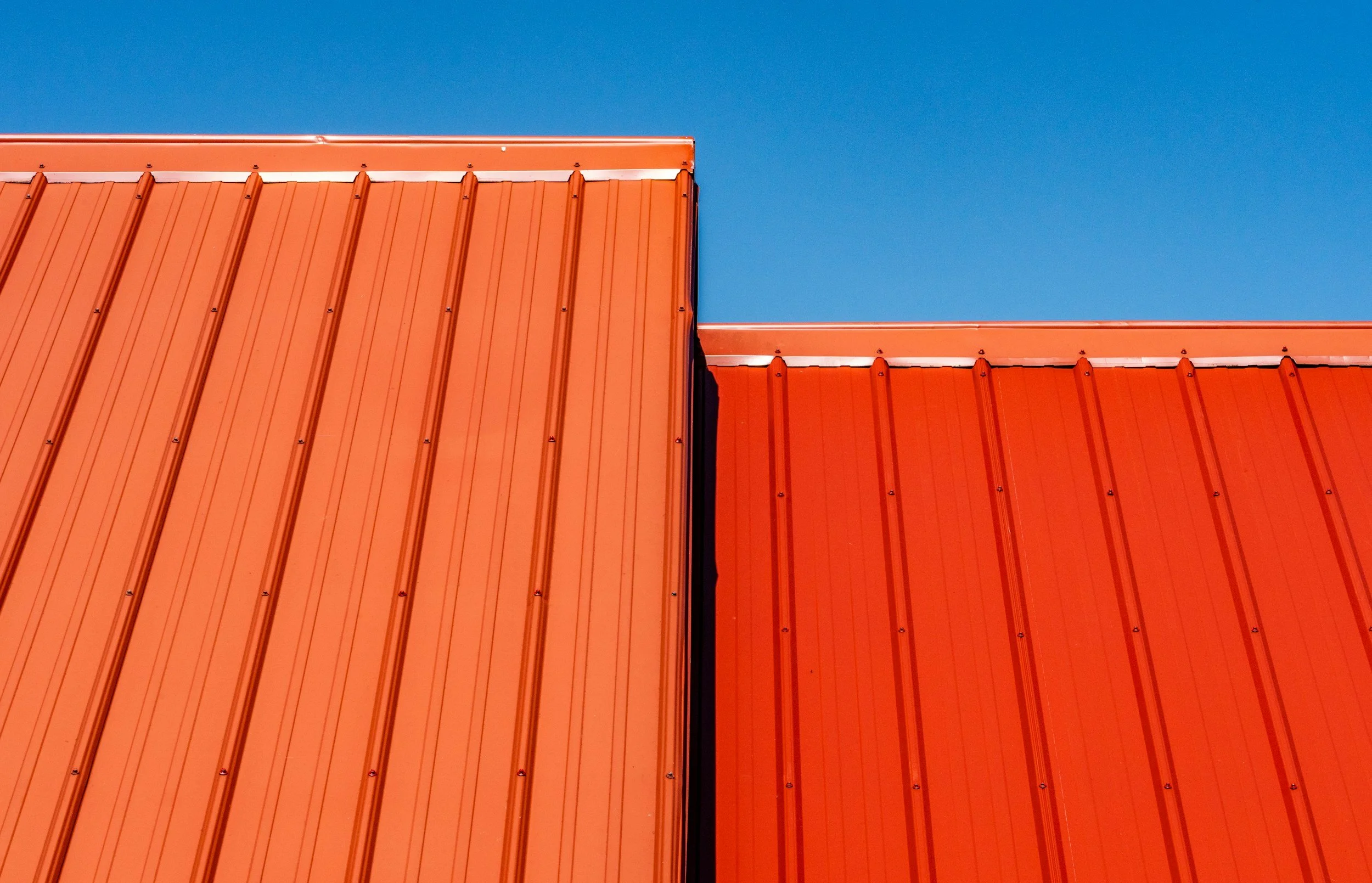
Why Finish Specification Matters More in Singapore
Singapore's equatorial climate creates a specific stress profile for metal surfaces. Humidity rarely drops below 80%. UV index regularly hits extreme levels (11+). Rainfall is frequent and heavy. Coastal and waterfront locations — the southern waterfront, Sentosa, Marina Bay, Jurong Island, and the entire eastern seaboard — introduce chloride ions from salt-laden air that accelerate pitting corrosion on unprotected or underspecified surfaces.
The practical consequence: a polyester powder coat specified to a European standard will underperform in Singapore if film thickness or resin system is not appropriate for tropical conditions. A stainless steel component without adequate surface protection will develop tea staining within a year in a coastal installation. Mild steel left uncoated outdoors will show surface rust within weeks.
Specifying the correct finish is as important as specifying the correct base metal.
Metal Finishes Compared
Table: Metal Finishes Compared
| Material | Max Thickness | Corrosion Resistance | Applications & Notes |
|---|---|---|---|
| Aluminium | 12mm | Excellent (naturally oxidising) | Facade cladding, canopy soffits, suspended ceiling systems. Lightweight; accepts powder coat and PVDF well. |
| Mild Steel | 25mm | Low — must be coated for exterior use | Interior screens, sheltered exterior, structural components. Most cost-effective option; requires powder coating or galvanising for Singapore's outdoor humidity. |
| Galvanised Steel (GI) | 25mm | Good (zinc coating) | Industrial screening, plant enclosures, semi-exposed functional components. Lower cost than stainless; spangled surface texture limits decorative use. |
| Stainless Steel SS304 | 20mm | Very good | Sheltered and semi-exposed architectural panels, commercial interiors. Standard specification for most Singapore projects outside coastal zones. |
| Stainless Steel SS316 | 20mm | Excellent (molybdenum-enhanced) | Coastal facades, waterfront projects, salt-laden air environments. Recommended for projects within 5km of the Singapore coastline. |
Powder Coating
Powder coating is the standard finish for architectural metalwork in Singapore. An electrostatically charged dry powder is applied to the prepared metal surface and cured in an oven at 180–200°C, fusing into a hard, continuous film.
The system performs reliably on mild steel, aluminium, galvanised steel, and stainless steel. It is available in the full RAL palette, custom colours, and special-effect formulations (matt, satin, gloss, textured). Film thickness for exterior architectural metalwork in Singapore should be specified at a minimum 70–80 microns dry film thickness (DFT). For high-exposure applications — rooftop plant screens, coastal facades, or panels with limited future maintenance access — 80–100 microns is more appropriate.
Surface preparation is the most critical variable. Powder coating applied over inadequately prepared substrate — residual mill scale, oil contamination, or poorly etched aluminium — will underperform regardless of the resin system or film thickness.
Important: Powder coating is applied before any final site fabrication. If panels are cut, drilled, or welded after coating, those areas will be bare metal and require touch-up with a compatible liquid paint or zinc-rich primer, particularly for mild steel in exterior locations.
Powder Coating for Mild Steel Outdoors
Mild steel must be powder coated (or galvanised) for any Singapore exterior application — bare mild steel will show surface rust within weeks at Singapore's ambient humidity. The standard preparation sequence for exterior mild steel is: grit blast to Sa 2.5, followed by zinc phosphate pretreatment or zinc-rich primer, then powder coat to minimum 70 microns DFT.
Powder Coating for Aluminium
Aluminium for exterior use should be chromate conversion-coated (Alodine or equivalent) prior to powder coat application, to ensure adhesion and provide a secondary corrosion barrier at any film defects.
PVDF Coating
PVDF (polyvinylidene fluoride) is the premium coating system for exterior metalwork where long maintenance intervals or demanding facade performance are specified. It uses a fluoropolymer resin — most commonly Kynar 500 or equivalent — that significantly outperforms standard polyester powder coat on UV stability, colour retention, and chemical resistance under Singapore's tropical conditions.
PVDF is applied as a factory liquid coating, typically in a two-coat or three-coat system on aluminium. It is not a powder process and cannot be applied in the field. Application requires controlled factory conditions and specialist equipment, which restricts it to pre-fabricated panels rather than site-applied finishing.
For Grade-A commercial facades, curtain wall cladding, and high-rise architectural metalwork in Singapore — where 20–25 year maintenance-free performance is the design target — PVDF is the correct specification. The cost premium over polyester powder coat is significant, but justified where programme constraints make recoating difficult or costly.
Specifier's tip: PVDF is almost exclusively used on aluminium in Singapore. For stainless steel panels requiring long-term colour retention, powder coating with a high-quality polyester or super-durable polyester resin system is more common than PVDF, and performs adequately for most non-high-rise applications.
Hot-Dip Galvanising
Hot-dip galvanising immerses fabricated steel in molten zinc at approximately 450°C. The zinc metallurgically bonds to the steel, forming a corrosion barrier that provides sacrificial protection — including at cut edges and areas of minor mechanical damage where a coating system would simply delaminate and fail.
This sacrificial mechanism makes galvanising the preferred corrosion protection system for structural steelwork, civil infrastructure, and any mild steel application in Singapore's outdoor environment where aesthetics are secondary to durability. It is the standard finish for structural steel in JTC industrial estates, MRT infrastructure components, HDB structural elements, and civil drainage and waterway structures.
The characteristic surface appearance — a spangled or matte grey texture — limits galvanising's use for decorative architectural panels. Where both galvanising performance and colour are required, galvanised steel can be powder coated over, provided the zinc surface is correctly prepared by sweep blasting or priming with a T-wash or suitable etch primer before powder application.
Stainless Steel Mill Finishes
Stainless steel does not require a coating system for most Singapore applications — the passive chromium oxide layer provides inherent corrosion resistance. The finish specification for stainless determines the surface texture and appearance rather than the level of protection.
| Finish | Description | Typical Singapore Applications | Notes |
|---|---|---|---|
| 2B | Smooth, slightly reflective. Cold-rolled, annealed, and skin-passed. | General architectural sheet, industrial use, base for further processing | Standard mill finish for most SS sheet. Lower cost than No. 4 or BA. |
| No. 4 Brushed | Unidirectional linear texture, produced by progressive abrasive polishing. | Lift lobbies, shopfronts, kitchen equipment, corporate fitout, F&B interiors | Most widely specified decorative stainless finish in Singapore. Conceals minor scratches well. Direction of grain must be consistent across installed panels. |
| No. 8 Mirror / BA | Highly reflective polished surface. | Statement architectural features, high-end retail and hospitality, decorative elements | More susceptible to fingerprints and surface marks than brushed finishes. Requires careful site handling and protective film until installation is complete. |
| No. 6 Satin | Softer sheen than No. 4; produced with finer abrasive media. | Premium fitout, hospitality interiors | Less common than No. 4 but available on request. |
For stainless steel panels in coastal Singapore locations — southern waterfront, Sentosa, Marina Bay, or any project within approximately 5km of the coastline — specify SS316 rather than SS304. The higher molybdenum content in SS316 significantly improves resistance to chloride-induced pitting corrosion in salt-laden air.
See the stainless steel vs galvanised steel guide for full grade comparison.
Finish Selection by Application in Singapore
| Application | Base Metal | Recommended Finish | Notes |
|---|---|---|---|
| High-rise facade cladding (Grade-A commercial) | Aluminium | PVDF coating | 20–25 year colour and gloss retention. Standard for Singapore curtain wall specification. |
| Exterior architectural panels (mid-rise, sheltered) | Aluminium or mild steel | Powder coating (80–100 microns DFT) | Super-durable polyester resin recommended for Singapore UV conditions. |
| Coastal / waterfront facades | SS316 or aluminium | PVDF (aluminium); natural mill finish or powder coat (SS316) | SS316 grade essential within ~5km of coast. Confirm chloride exposure level with structural engineer. |
| HDB upgrading / NRP external metalwork | Mild steel or aluminium | Powder coating (70–80 microns DFT) | Standard HDB and town council specification. Check project brief for RAL colour requirements. |
| Industrial / JTC estate screening | Mild steel or GI | Hot-dip galvanising, or GI powder coated | Performance over aesthetics. Galvanising provides long-term protection at low maintenance cost. |
| F&B and retail interior fitout | SS304 or mild steel | No. 4 brushed (SS304); powder coat (mild steel) | No. 4 brushed stainless is the dominant finish for Singapore F&B interiors. Specify grain direction. |
| Corporate office and lobby fitout | SS304 or aluminium | No. 4 brushed, mirror, or anodised | Finish selection driven by design intent. Anodising for aluminium extrusions; brushed/mirror for stainless sheet elements. |
| Public infrastructure (parks, playgrounds, waterways) | Mild steel | Powder coating over galvanising (duplex system) | Duplex system — galvanise first, then powder coat — provides the highest combined durability for Singapore public outdoor metalwork. |
Frequently Asked Questions
-
A correctly specified polyester powder coat at 70–80 microns DFT on properly prepared substrate should maintain acceptable colour and gloss for 8–12 years in Singapore's exterior environment before refinishing is needed. Super-durable polyester systems extend this to 12–15 years. PVDF on aluminium performs for 20–25 years. Thinner coatings or inadequate surface preparation will reduce these figures materially.
-
Both are used on architectural metalwork, but they differ significantly in performance and application. Powder coating is a dry electrostatic process cured in an oven, applicable to multiple base metals, and available at moderate cost. PVDF is a factory-applied liquid fluoropolymer system almost exclusively used on aluminium, with substantially better UV stability and colour retention — at a significant cost premium. For most Singapore architectural projects below high-rise grade, polyester powder coat is adequate. For Grade-A commercial facades or projects targeting 20+ year maintenance intervals, PVDF is the correct specification.
-
Yes. Stainless steel can be powder coated where a specific colour is required on a stainless substrate — for example, on laser-cut screens or perforated panels where SS304 or SS316 is specified for corrosion performance but a colour finish is needed. Surface preparation requires care: the passive oxide layer on stainless must be abraded or chemically treated before powder coat will adhere correctly.
-
Not necessarily. Galvanising alone provides effective corrosion protection for most structural and industrial applications in Singapore. Where colour or a smoother appearance is required, galvanised steel can be powder coated — but the zinc surface must be correctly prepared (sweep blasting or T-wash primer) to ensure adequate adhesion. A duplex system — galvanise plus powder coat — is the highest-durability specification for Singapore public outdoor metalwork and is standard on many NParks and PUB infrastructure projects.
-
No. 4 is a unidirectional linear surface texture produced by progressively polishing stainless steel sheet with finer abrasive media. It is the most widely specified decorative stainless finish in Singapore commercial and institutional projects — visible in lift lobbies, shopfronts, kitchen equipment, and corporate fitout throughout the city. When specifying No. 4 across multiple panels, confirm that the grain direction is consistent and that all panels are produced from the same finishing run to ensure colour and texture uniformity.
Supply Bay Pte Ltd supplies perforated metal sheet, laser-cut panels, expanded metal mesh, corrugated sheets, and solid sheet metal for Singapore construction and architectural projects. Contact us at info@supplybaystore.com or +65 6524 3913.
Supply Bay is Singapore's leading supplier of architectural sheet metal — expanded mesh, perforated panels, laser-cut screens, and solid sheets in aluminum, stainless steel (SS304, SS316), mild steel, and galvanized steel.