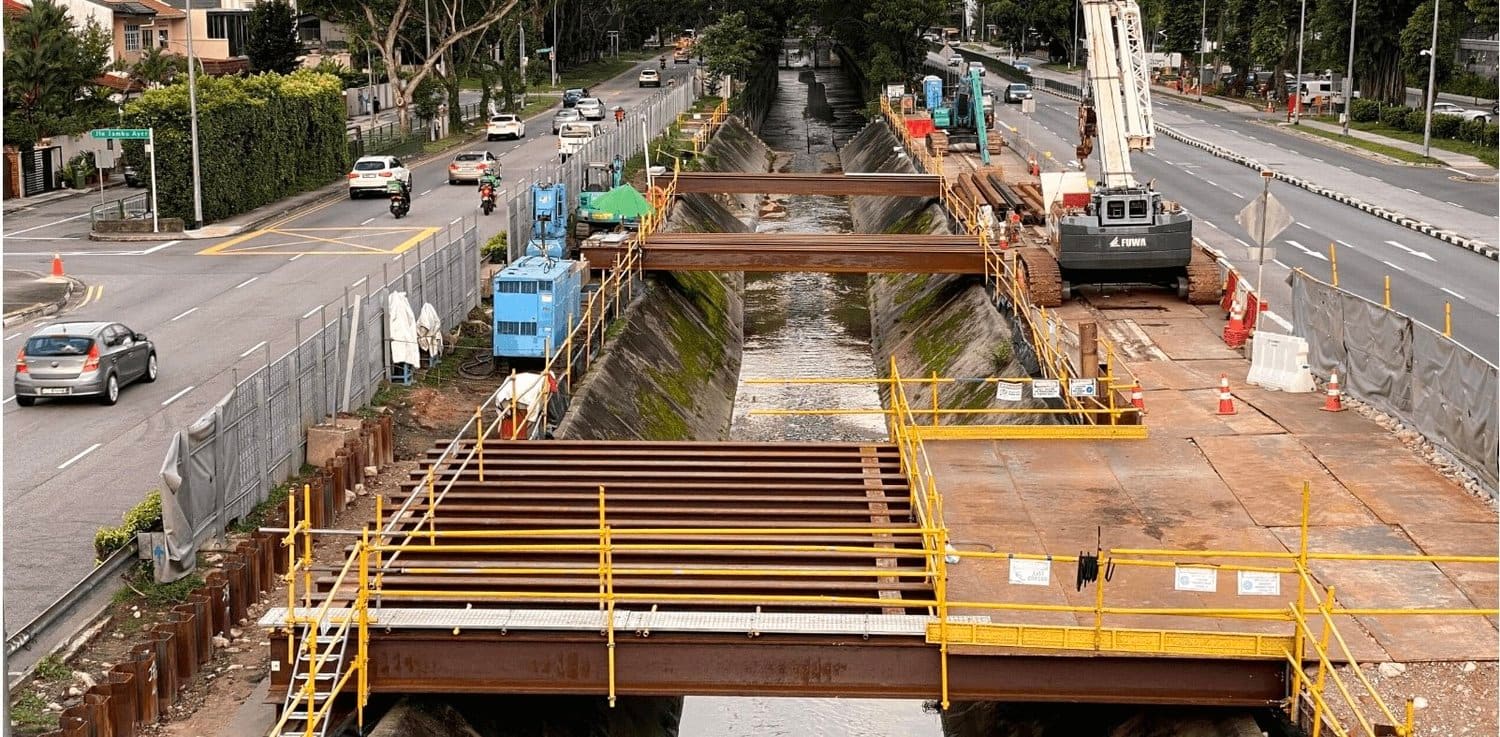
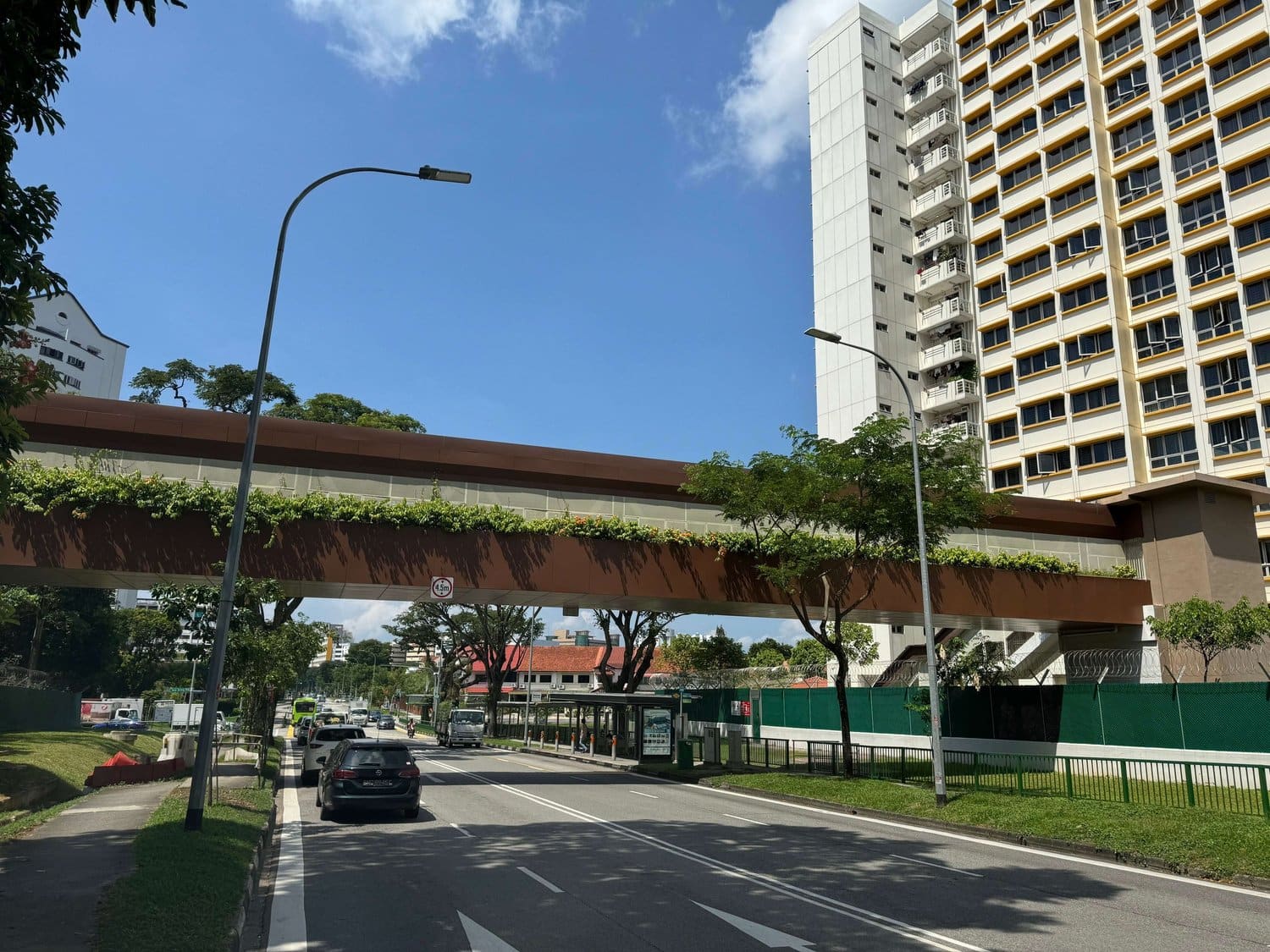
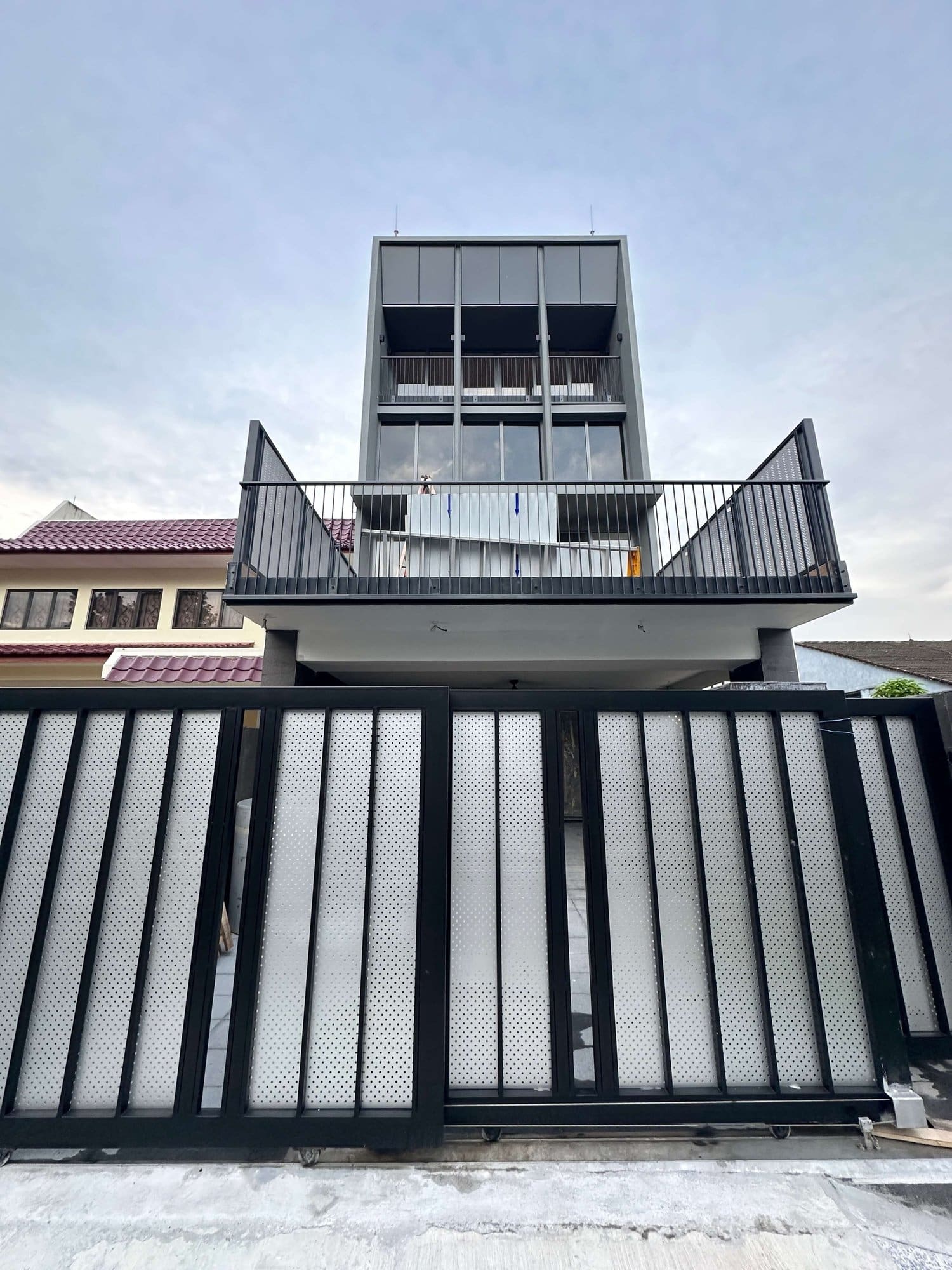
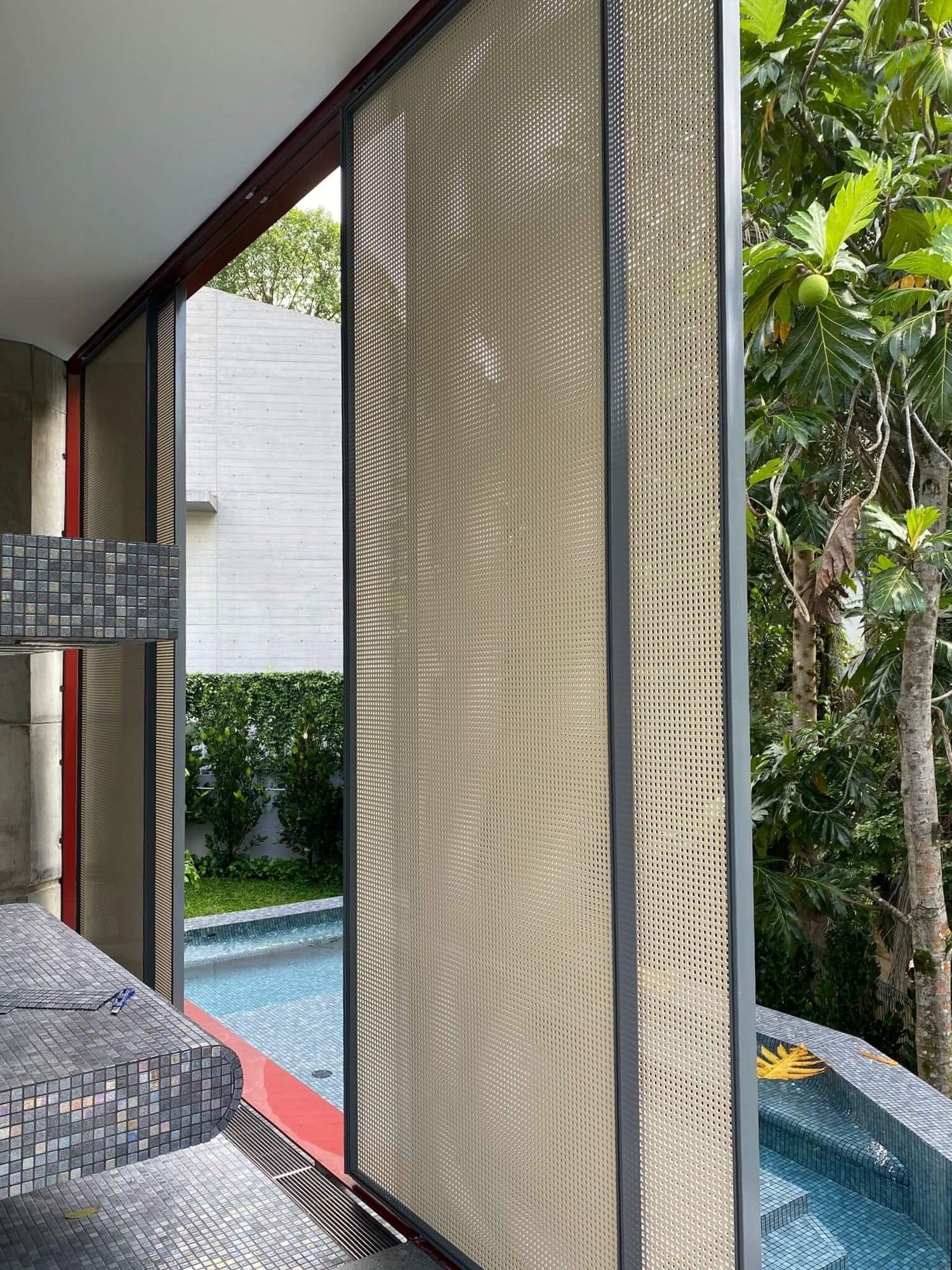
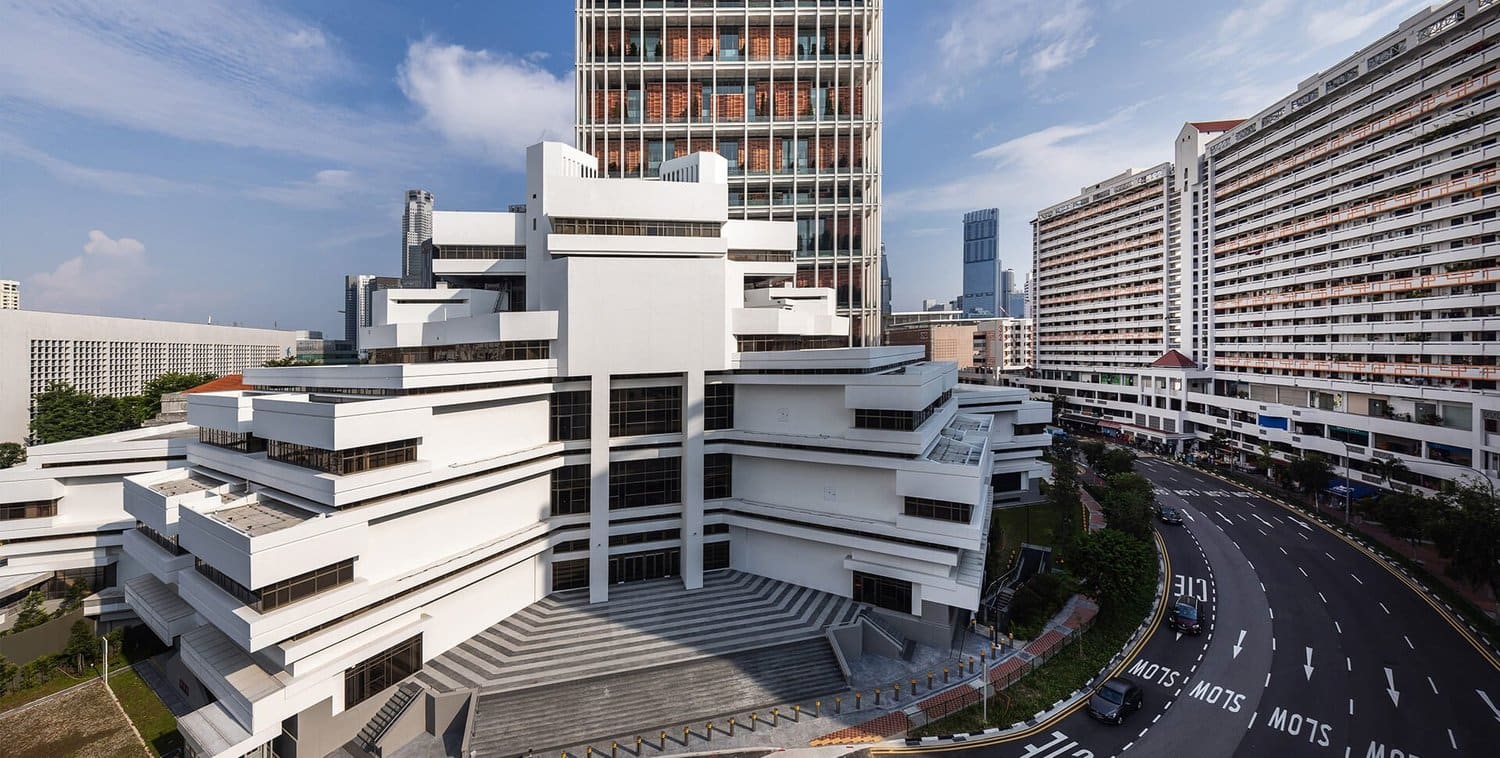
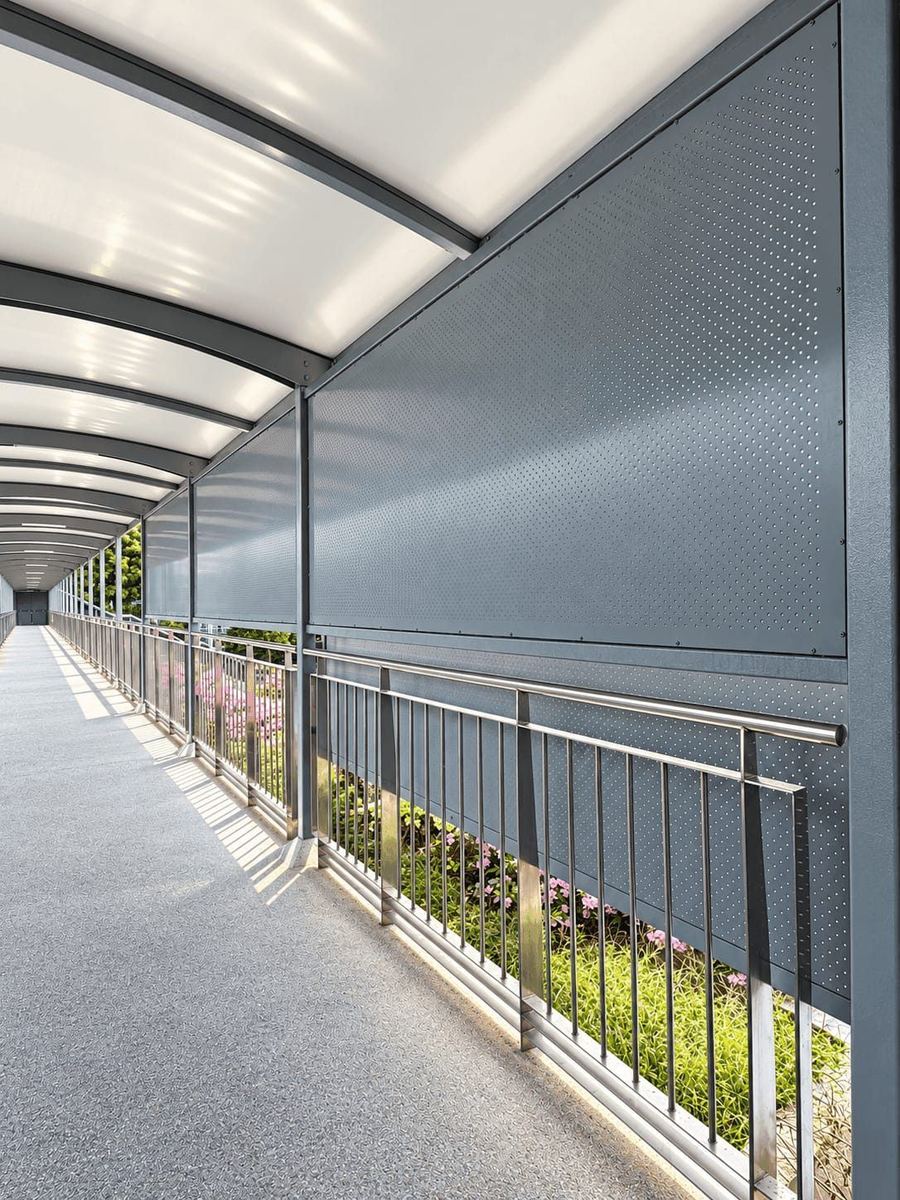
Perforated and expanded metal panels for fences, main gates, privacy screens, bridge and linkway railings, balustrade infill and security mesh. Light and air come through, sightlines are under your control, and every panel is cut to your frame.
| Pattern | Typical open area | Good for |
|---|---|---|
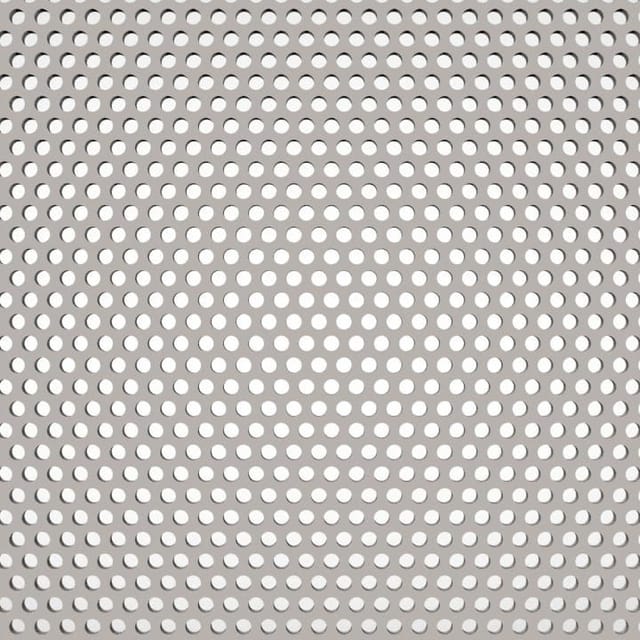
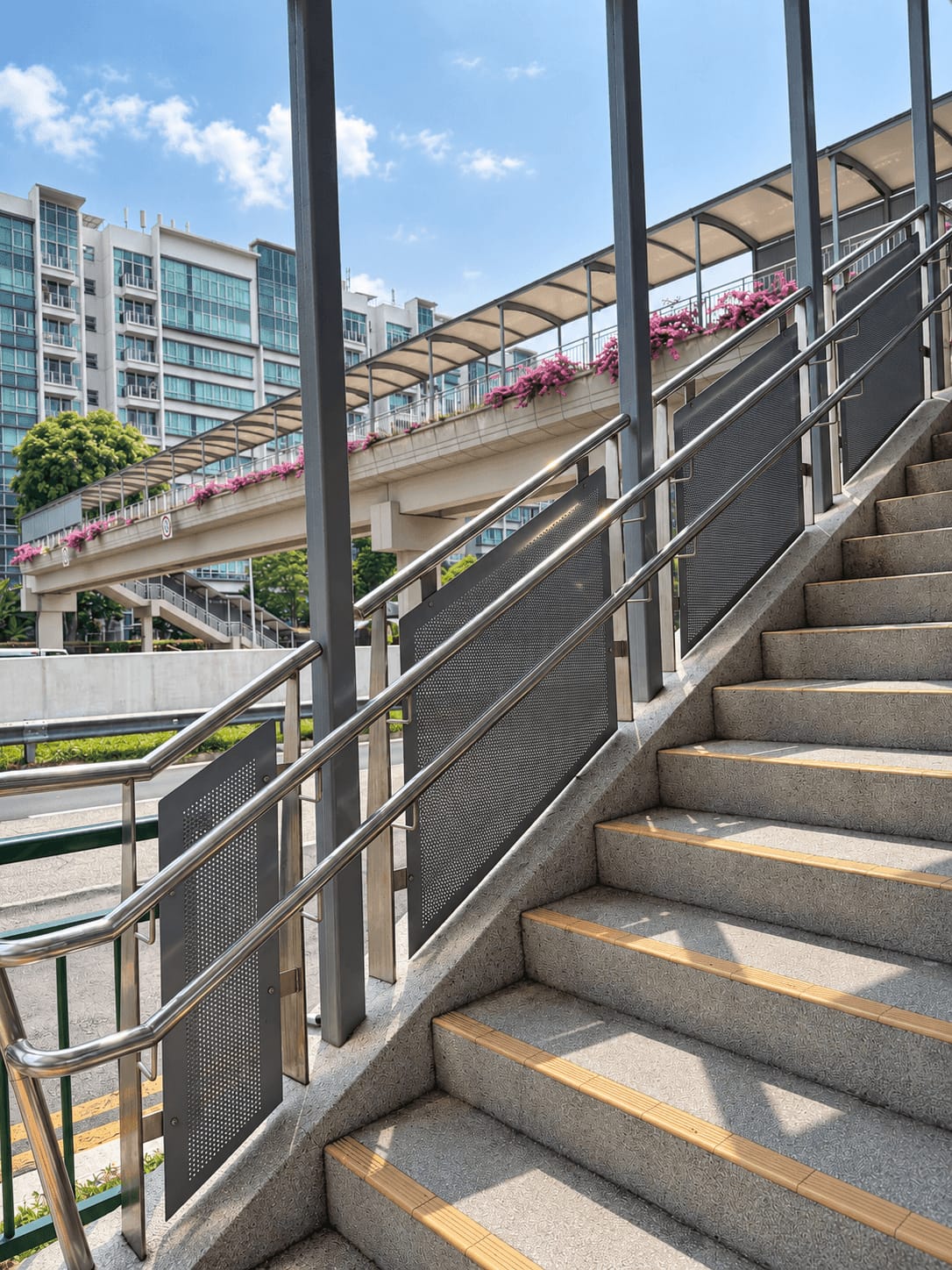
| Round hole, staggered | 40 to 65% | Linkway screens, railings, void deck panels |
| Round hole, straight rows | 30 to 50% | Bin centres and enclosures needing partial privacy |
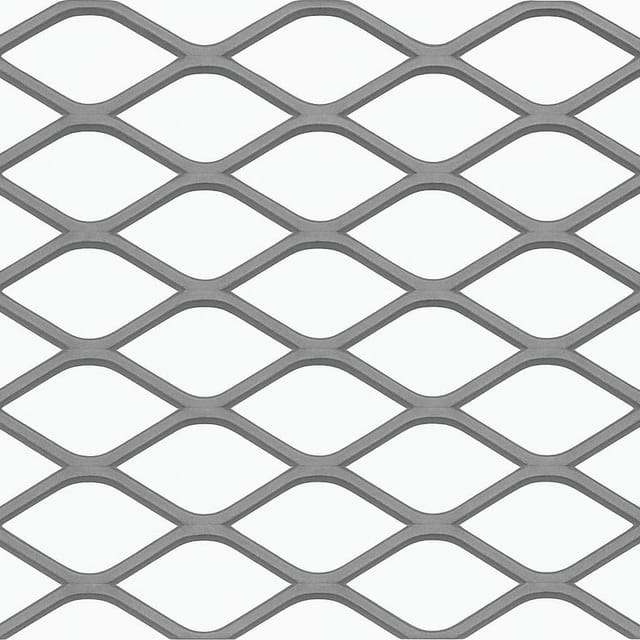
| Slotted hole | 20 to 50% | Balustrade infill and low screens |
For a gate or a screen wall facing the street, start below 30% open area. The more open the panel, the more air and light, and the less privacy.
Infill panels must meet BCA structural requirements for balustrade infill, including opening size and load resistance, so confirm the fixing details with your engineer or QP and send us the specification. Staircase and balustrade infill is typically galvanised mild steel or SS304 at 2.0mm to 3.0mm. Any panel spanning more than 1200mm unsupported should be at least 2.0mm thick, whatever its open area.
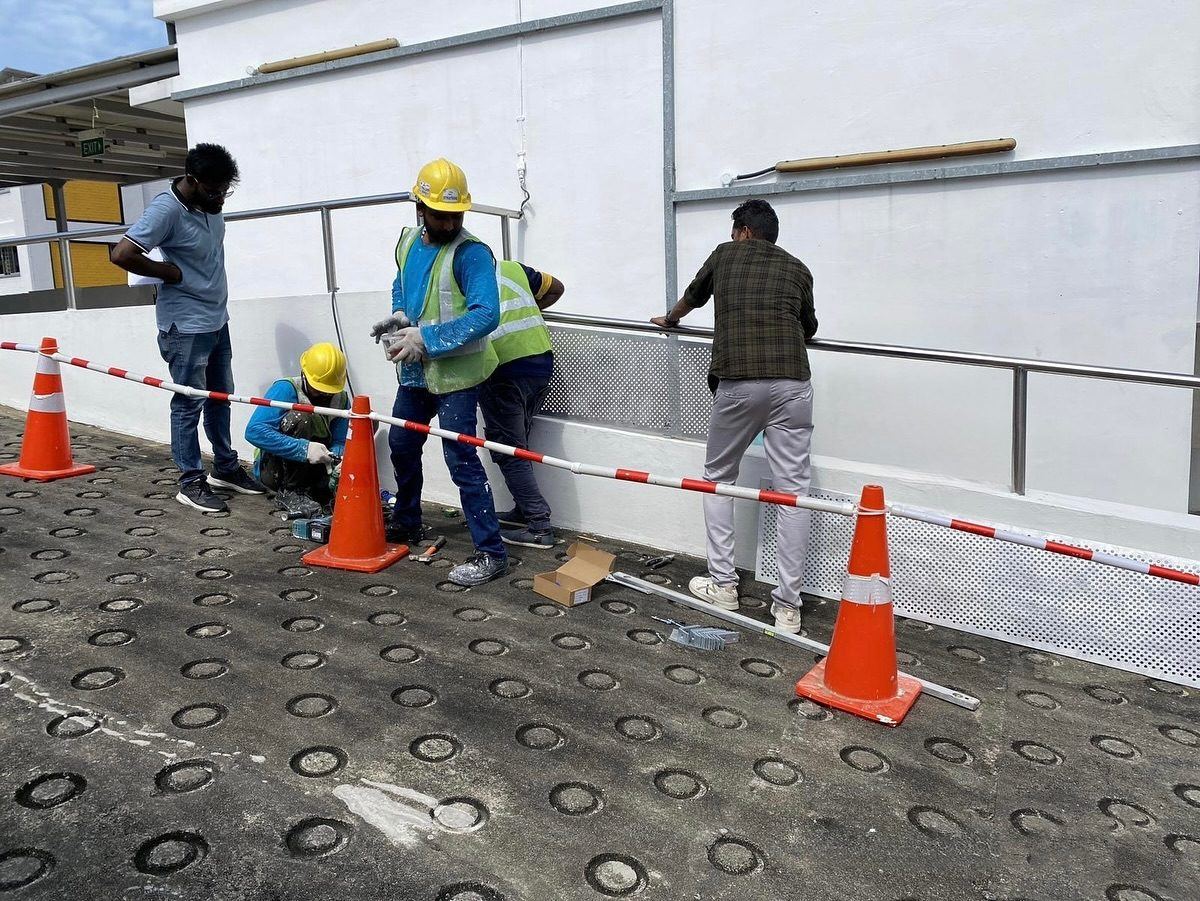
Aluminium does not rust and is light, so it suits gates and decorative fences, especially with a powder coat finish. Galvanised steel is the cost effective choice for enclosures that are not on show. Use SS316 stainless near the sea.
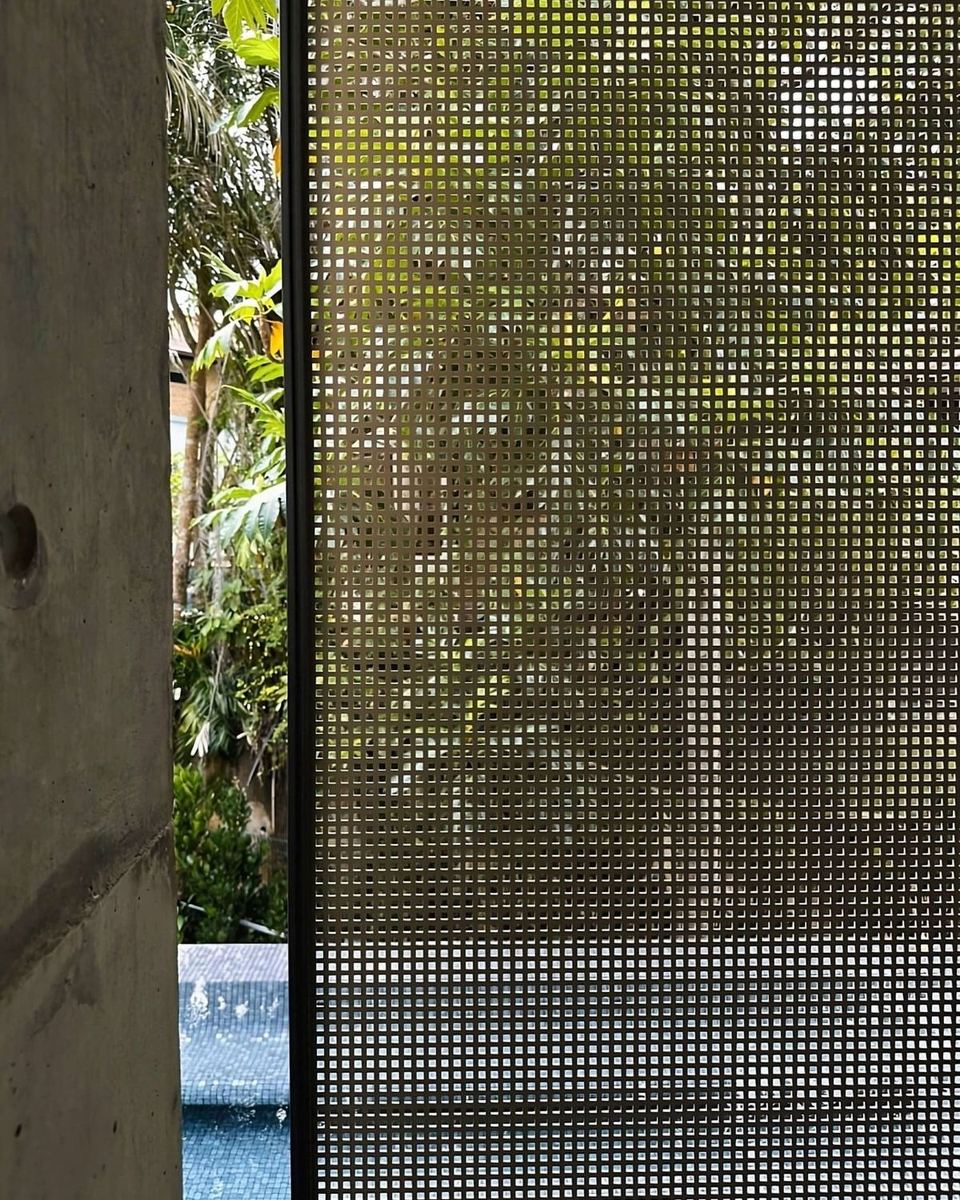
Yes. Privacy depends on the open area: below 30% is the usual starting point for gates and street facing screens. Higher open areas let through more air and light but show more.
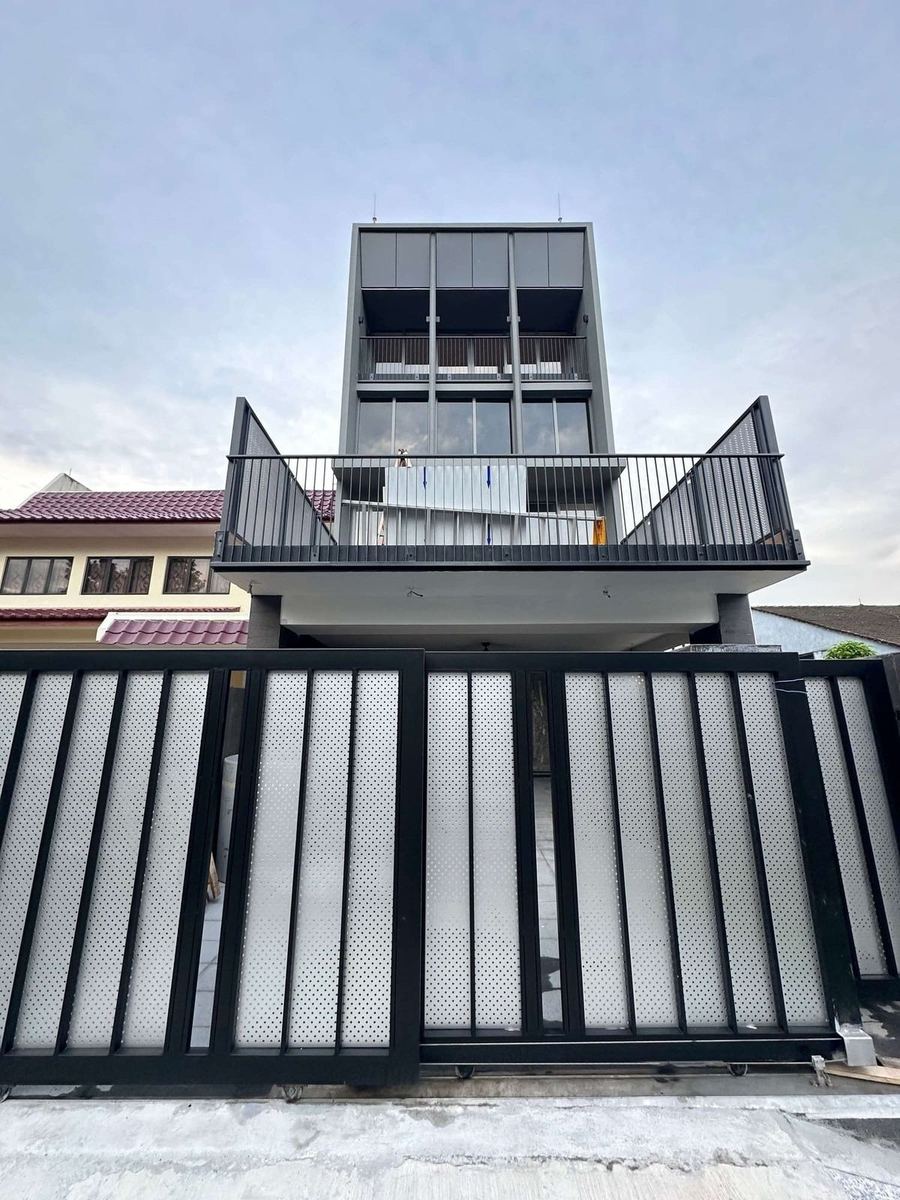
Yes. We supplied round perforated aluminium panels for the main gate and privacy screens of a house on Jalan Selamat. Send the gate drawing or the frame sizes and we cut the panels to fit.
Yes. Balustrade infill must meet BCA structural requirements, including the size of the openings and load resistance. Your engineer or QP confirms the design and fixing, and we supply panels to that specification.
Staircase and balustrade infill is typically 2.0mm to 3.0mm galvanised mild steel or SS304. Any panel spanning more than 1200mm unsupported should be at least 2.0mm thick.
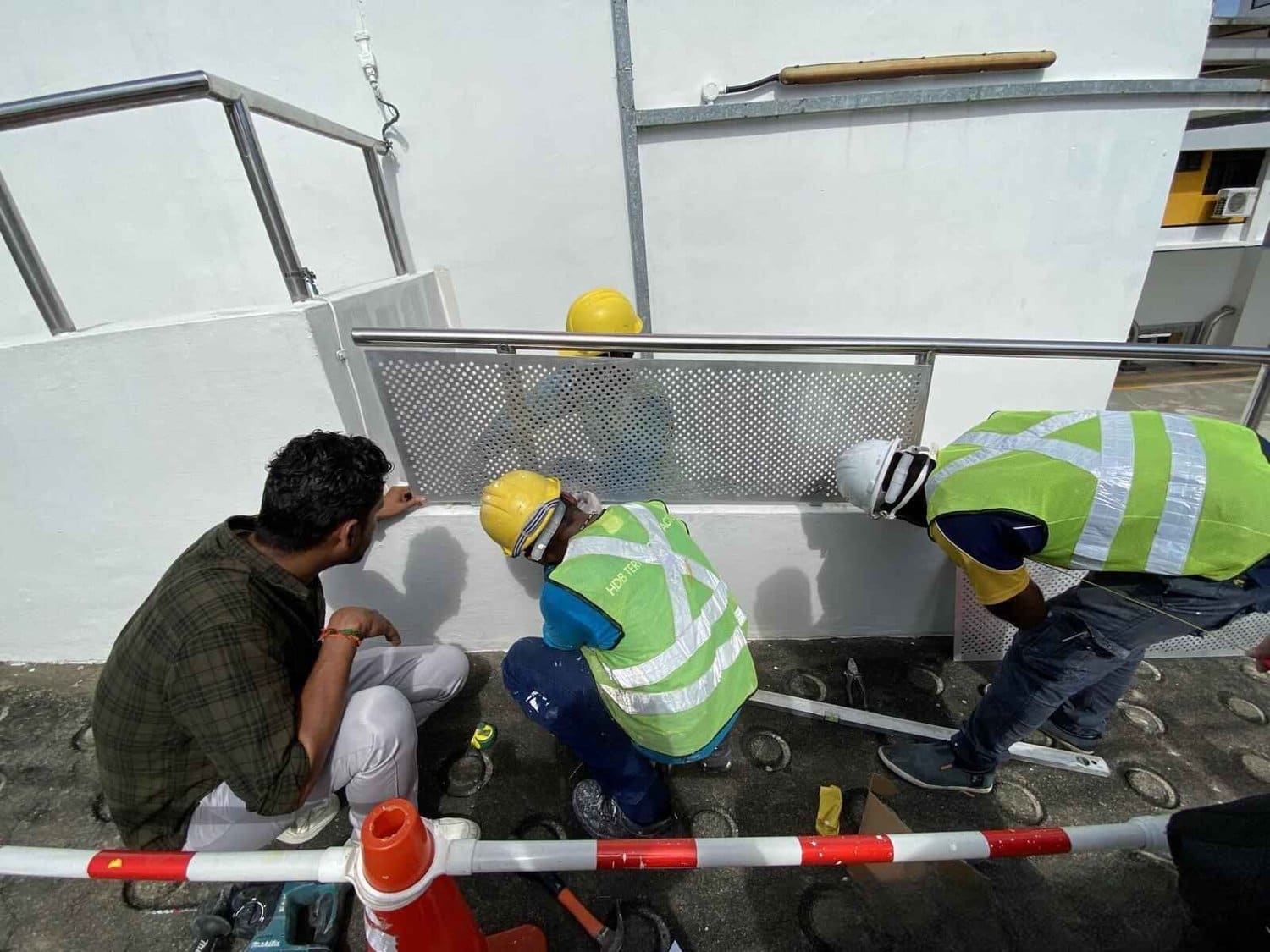 GuidePerforated Metal for HDB Upgrading Projects Singapore
Perforated metal panels for HDB NRP, ROH, HIP, and BTO projects in Singapore. Specifications, material grades, hole...
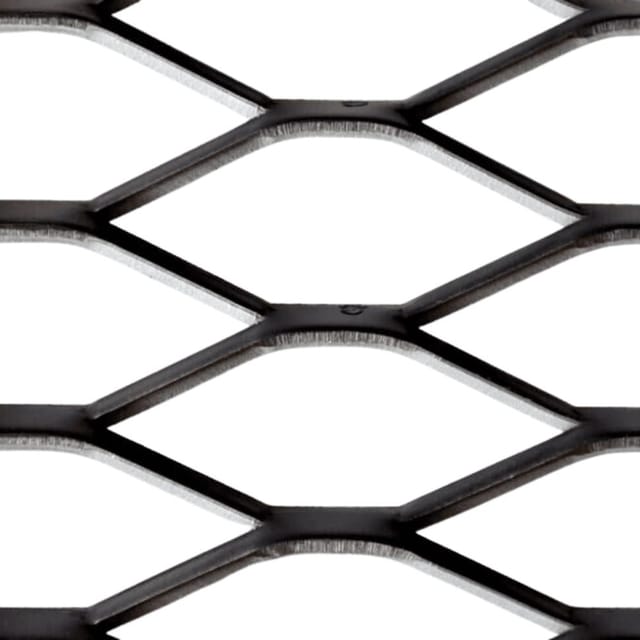
View GuideStrength and Style: Security Expanded Metal Mesh at the Family Justice Courts
Security-grade expanded metal mesh at the newly renovated Singapore Family Court.
View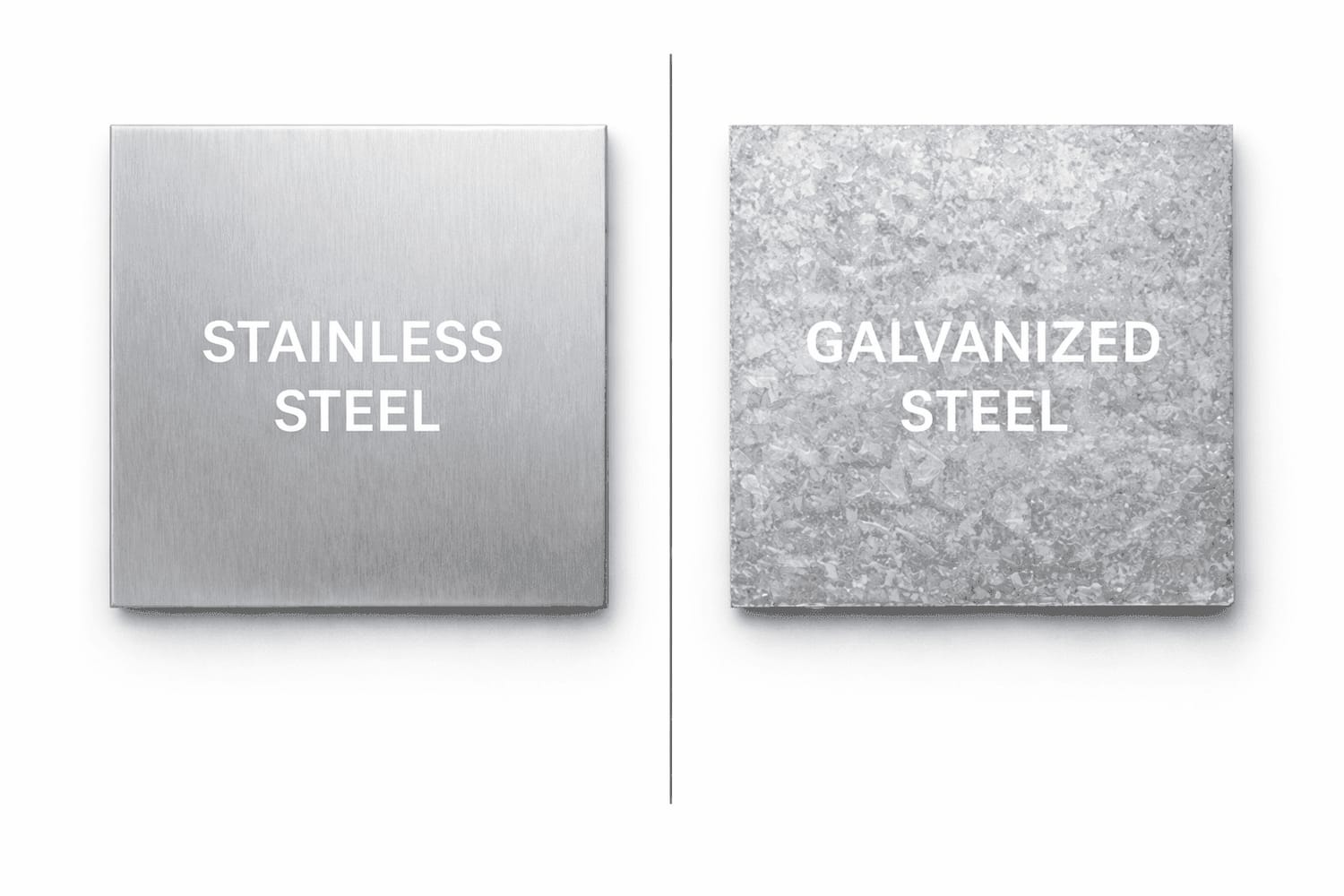 GuideStainless Steel vs Galvanised Steel: Which Should You Specify for Singapore Projects?
A practical comparison of stainless steel and galvanised steel for Singapore construction and architectural projects...
View GuideBest Metal Sheet for Outdoor Applications in Singapore’s Climate
Find out which metal sheet is most suitable for withstanding Singapore's weather. We explore the pros & cons of...
View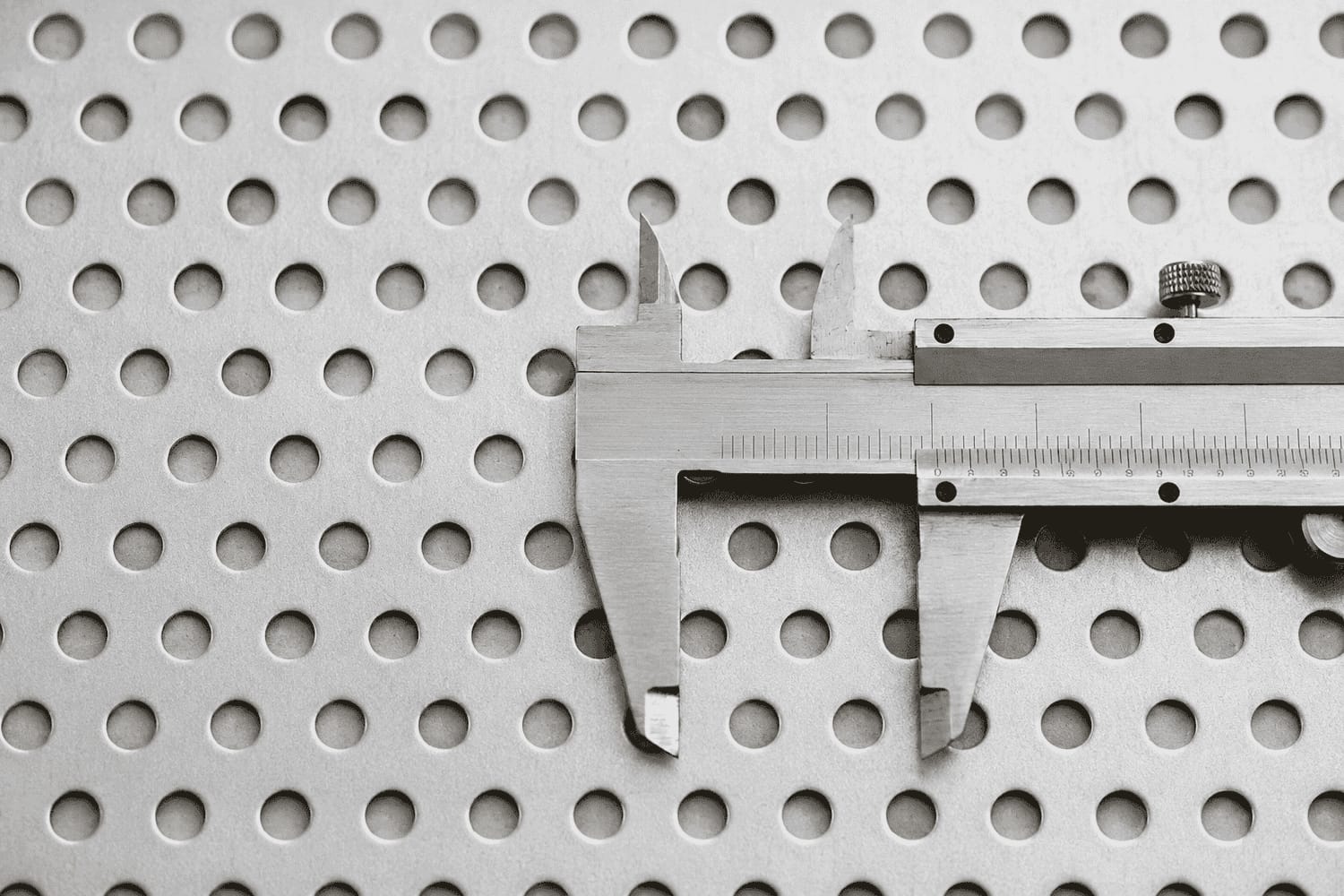 GuideHow to Read Perforated Metal Specifications: Hole Size, Pitch, Open Area, and What They Mean
Hole diameter, pitch, arrangement, open area, perforated metal specification terms explained for architects, QSes, and...
View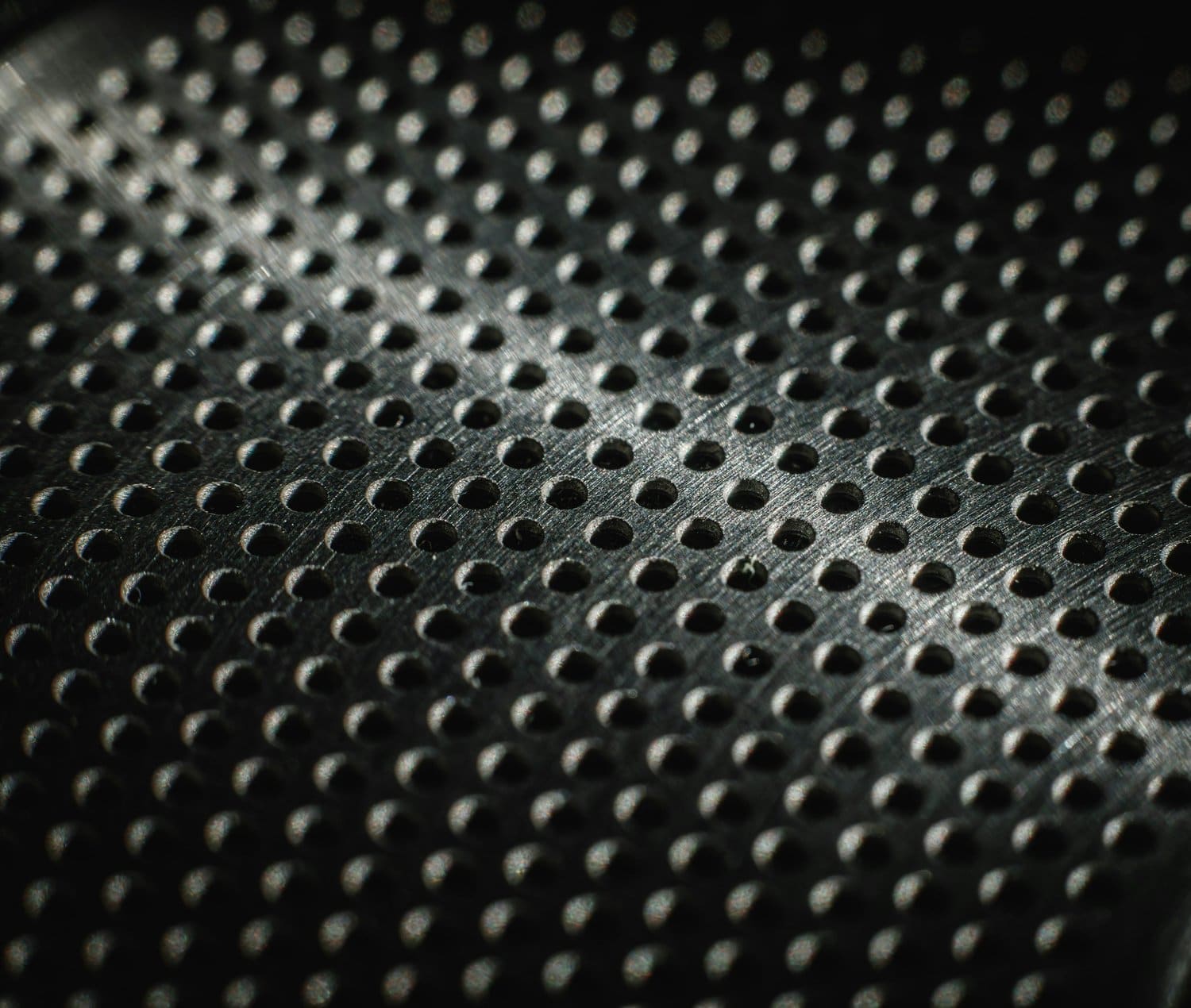 GuidePerforated Metal Sheet in Singapore: A Buyer's Guide
A credible, authoritative guide on how to evaluate a suitable perforated metal supplier in Singapore.
View