
Metal Finishes Explained: A Practical Guide for Singapore Projects
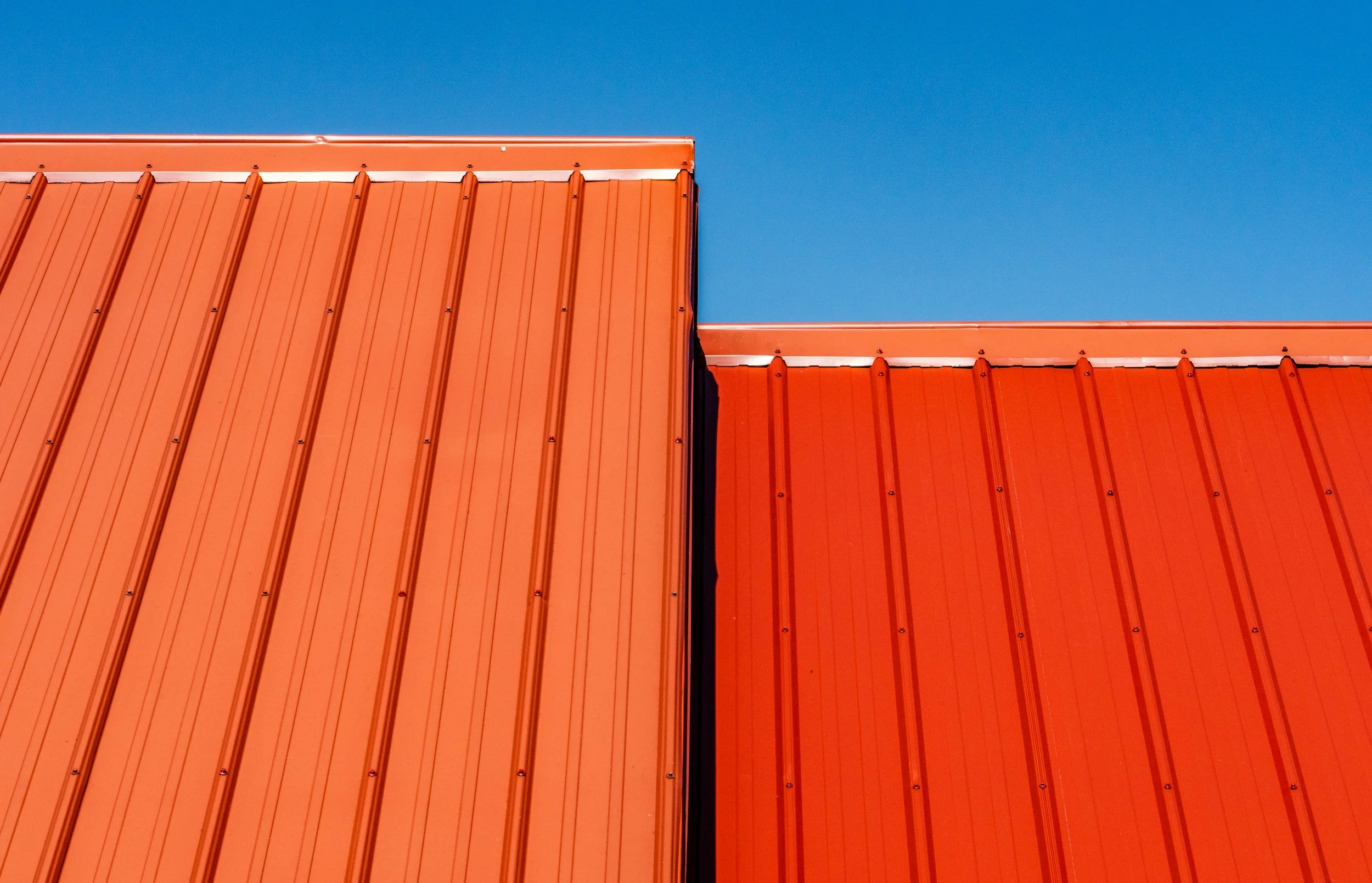
Apart from the design and aesthetic benefits of metal panel finishings, It is the first line of defence between the metal and Singapore's climate. In a country where humidity rarely drops below 80% and UV index regularly hits extreme levels, it matters considerably more than it would in a temperate environment.
Get the finish right and a mild steel panel will last decades outdoors. Get it wrong and a stainless steel component will develop tea staining within a year. This guide covers the most common finishing options for architectural and fitout metalwork in Singapore, what each one does, where it belongs, and where it does not.
Why Finishings Matters More in Singapore
Singapore's equatorial climate creates a specific combination of stresses on metal surfaces: persistent high humidity, intense UV radiation, frequent heavy rainfall, salt-laden air in coastal and waterfront locations, and near-zero seasonal temperature variation (which removes the natural drying cycles that temperate climates provide).
The result is that corrosion, UV fade, and biological growth all progress faster here than most international product specifications anticipate. A powder coat specified to a European standard may underperform significantly in Singapore if the film thickness or resin system is not appropriate for the local environment. Choosing the right finish — and specifying it correctly — is therefore not a minor detail. It is a fundamental part of the material specification.
Main Finishings
Powder Coating
Powder coating is the most widely used finish for architectural metalwork in Singapore. An electrostatically charged dry powder is applied to the metal surface and then cured in an oven at 180–200°C, fusing the powder into a hard, smooth, continuous film.
The result is a finish that is durable, UV-resistant, available in virtually any colour (RAL, custom, or matched to specification), and consistent across complex shapes and cut edges. It performs well on mild steel, aluminium, galvanised steel, and stainless steel.
For high-exposure applications such as rooftop plant screens, exposed coastal facades, or panels with limited future maintenance access, consider stepping up to 80–100 microns or specifying a PVDF system instead.
One practical consideration: powder coating is applied before any final site fabrication. If panels are cut, drilled, or welded after coating, the cut edges and weld zones will be bare metal — those areas need to be touched up with a compatible liquid paint or zinc-rich primer, particularly for mild steel outdoors.
PVDF Coating (Polyvinylidene Fluoride)
PVDF is the premium coating system for high-performance exterior metalwork. It uses a fluoropolymer resin — most commonly sold under trade names such as Kynar 500 — that offers substantially better UV resistance, colour stability, and chemical resistance than standard polyester powder coat.
In practical terms, PVDF coating maintains colour and gloss for significantly longer under Singapore's UV conditions, and resists the chalking and fading that affects polyester systems over time. It is the specified finish for most curtain wall and high-rise facade aluminium in Singapore, and is increasingly used on lower-level cladding panels where long maintenance intervals are a requirement.
PVDF is almost exclusively applied to aluminium, and is typically a factory-applied liquid coating rather than a powder process. It requires more controlled application conditions than powder coating and commands a significant cost premium — but for projects where a 20–25 year maintenance-free facade performance is the target, it is the correct specification.
Mill Finish (Natural / Uncoated)
Mill finish refers to the surface condition of the metal as it leaves the rolling mill — no additional treatment applied. For stainless steel and aluminium, mill finish can be appropriate for interior applications where the natural metallic surface is the desired aesthetic.
For stainless steel, the most common mill finishes are:
2B finish — a smooth, slightly reflective surface produced by cold rolling followed by annealing and skin passing. The standard finish for most stainless steel sheet. Suitable for interior architectural applications, behind-the-scenes surfaces, and as a base for subsequent finishing.
No. 4 brushed finish — a unidirectional linear texture produced by polishing with progressively finer abrasives. The most widely specified decorative stainless finish in Singapore commercial interiors — visible in lift lobbies, shopfronts, kitchen equipment, and corporate fitouts throughout the city. It conceals minor scratches well and presents a refined, consistent appearance.
Mirror / BA finish — a highly reflective polished surface. Used for statement architectural elements, decorative features, and high-end retail or hospitality applications where a premium visual effect is required. More susceptible to visible fingerprints and surface marks than brushed finishes, and requires more careful handling on site.
Hot-Dip Galvanising
Galvanising immerses fabricated steel in a bath of molten zinc at around 450°C. The zinc metallurgically bonds to the steel surface, forming a corrosion barrier that protects from the outside in — and, critically, provides sacrificial protection at cut edges and minor surface damage, where a coating system would simply fail at that point.
Hot-dip galvanising is the standard corrosion protection for structural steelwork, civil infrastructure components, industrial fabrication, and any mild steel application in Singapore's outdoor environment where aesthetics are secondary to performance.
The surface texture of hot-dip galvanising — a characteristic spangled or matte grey appearance — means it is less commonly used for decorative architectural panels, though it can be powder coated over (with appropriate surface preparation) when both performance and colour are required.
Frequently Asked Questions
How long does powder coating last outdoors in Singapore?
A correctly specified polyester powder coat — 70–80 microns DFT on properly prepared substrate — should maintain acceptable colour and gloss for 8–12 years in Singapore's exterior environment before refinishing is needed. PVDF systems extend this to 20–25 years. Thinner coatings or inadequate surface preparation will reduce these figures significantly.
Can stainless steel be powder coated?
Yes. Stainless steel can be powder coated, and it is occasionally specified where a specific colour is required on a stainless substrate — for example, on a laser-cut panel or screen where the stainless is chosen for its structural or corrosion properties but a colour finish is needed. Surface preparation for powder coating stainless requires care, as the passive layer needs to be broken before the coating will adhere correctly.
What is the difference between powder coating and spray painting?
Powder coating is a dry process cured by heat, producing a thicker, harder, more chemically resistant film than liquid spray paint. It is more durable, more consistent in thickness, and more environmentally friendly (no solvents). For architectural metalwork, powder coating is almost always the preferred system over liquid paint wherever oven curing is feasible.
Does galvanised steel need to be painted?
Not necessarily. Galvanising alone provides effective corrosion protection for most structural and industrial applications in Singapore. If colour or a smoother appearance is required, galvanised steel can be powder coated — but the zinc surface needs to be correctly prepared (typically by sweep blasting or applying a suitable primer) to ensure adequate adhesion.
Need Help Specifying Finishes for Your Project?
Supply Bay supplies laser-cut panels, perforated metal sheets, expanded metal mesh, and solid sheet metals with a full range of finishing options for architectural, commercial, and infrastructure projects across Singapore. Our team can advise on material grade, finish selection, and specification parameters based on your project's location, exposure, and aesthetic requirements.